
 By DQCS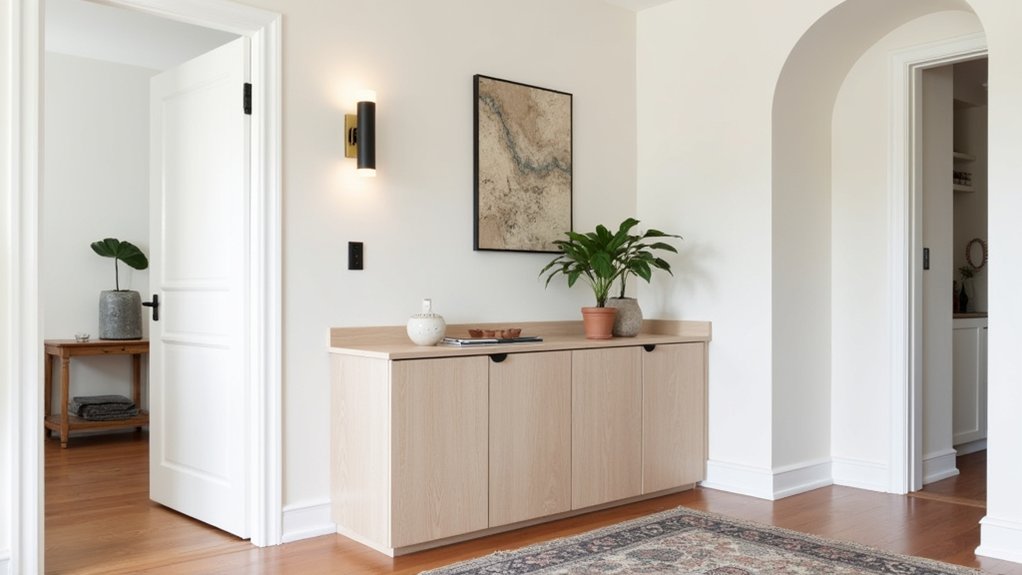
Coincidentally, the smallest upgrades often create the biggest jump in perceived value when you’re preparing to sell or simply tightening up your space. You don’t need a full remodel to get an ROI-friendly lift; you can pick projects that match your budget and DIY comfort, then focus on paint, trim, lighting, updated plates, and fresh hardware where buyers notice first. The trick is choosing the few changes that photograph well and stack their impact…
Choose Small Renovation Projects by Budget and DIY Level
If you want the best return without overbuilding for your neighborhood, start by matching small renovation projects to both your budget and your DIY comfort level.
Do Budget planning first: set an all-in cap, reserve 10% for surprises, and rank projects by buyer visibility and payback.
Then run a DIY skill assessment: list tools you own, time you can commit, and tasks you can finish to a pro standard.
If you’re handy, prioritize weekend wins like swapping dated light fixtures, updating cabinet hardware, installing a smart thermostat, or improving closet storage.
If you’re not, focus on high-impact contractor jobs with tight scopes, like replacing a worn entry door or upgrading bathroom fixtures.
Track costs per room and stop when comps say you’re “done.”
Use Paint and Trim to Make Rooms Look Finished
Because buyers read crisp lines and clean surfaces as “well maintained,” paint and trim deliver one of the highest-ROI ways to make a room feel finished without changing the layout. You’ll get the best payoff by fixing nail pops, sanding patches flush, and caulking gaps so walls photograph smooth and corners look sharp.
Choose Color schemes that match your market: warm whites for broad appeal, soft greiges for updated calm, and one restrained accent wall only if it’s flawless.
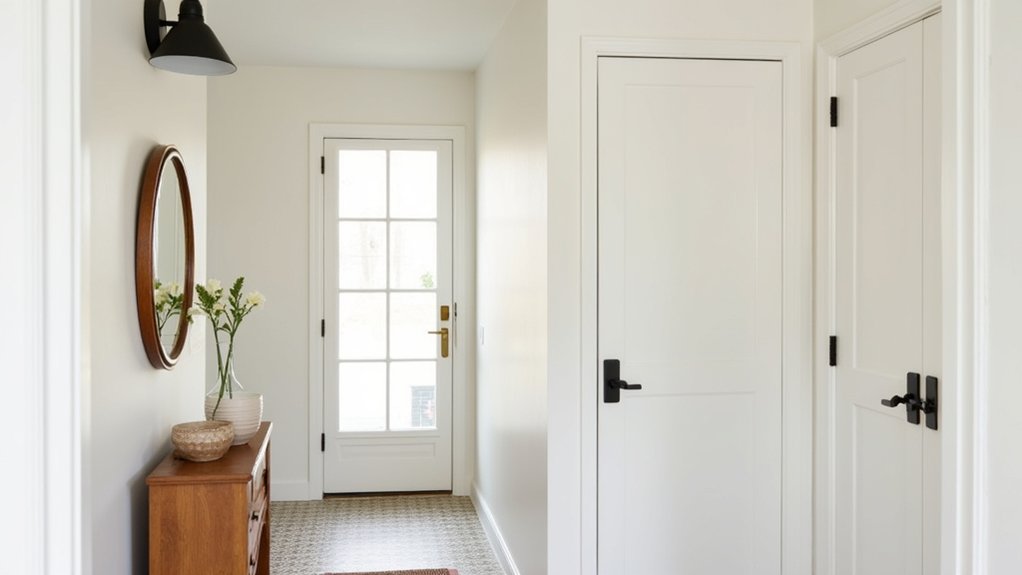
Refresh baseboards, door casings, and crown with durable semi-gloss; it bounces light and hides scuffs. Add Trim accents strategically—paint interior doors a deeper tone, or outline a feature wall with simple molding—to signal craftsmanship.
Keep sheen consistent, cut in cleanly, and touch up chips before showings.
Swap Lighting, Switches, and Plates to Modernize Fast
While your layout stays the same, swapping dated light fixtures, toggles, and yellowed plates instantly updates the “built-in” look buyers notice first, and it photographs cleaner under listing lights.
Prioritize high-visibility spots: entry, hall, dining, and primary bedroom.
Choose one finish family (matte black, brushed nickel, or warm brass) and repeat it so the home reads intentional, not piecemeal.
For Lighting upgrades, install slim LEDs, modern flush mounts, or a statement pendant where it won’t block sightlines; keep color temperature consistent (2700K–3000K) to avoid patchy photos.
Upgrade toggles to decora paddles, then match Switch plate styles—screwless, clean-edged, and in bright white or coordinated metal.
You’ll spend little, reduce “dated” objections, and boost perceived value fast.
Update Kitchens and Baths With Hardware and Faucets
Even without changing your counters or tile, new cabinet pulls and updated faucets can make kitchens and baths read “renovated” to buyers at a fraction of the cost. Treat hardware like jewelry: pick one finish family (matte black, satin nickel, warm brass) and use it consistently across knobs, pulls, towel bars, and hinges to signal intention.
In kitchens, upgrade to a high-arc pull-down faucet with a solid metal body. In baths, choose matching widespread or single-hole sets with ceramic disc valves for longevity. Buyers notice smooth operation.
Keep proportions right—longer pulls for wide drawers, smaller knobs for uppers—so everything looks custom. If your home skews traditional, mix tasteful vintage hardware with modern luxury fixtures to hit current “updated classic” demand without over-improving.
Add Simple Shelving and “Mini Built-Ins” for Function

If you want a high-ROI upgrade that reads “custom” without a full remodel, add simple shelving and mini built-ins where buyers crave order. Target dead space: entry nooks, laundry corners, and awkward living-room walls.
Install floating shelves or a low cabinet with open cubbies, then trim it out with simple molding so it looks intentional. Keep depths practical (10–12 inches for books, 14–16 for baskets) and anchor into studs for a solid feel.
Paint everything the wall color for a seamless built-in effect, or go one shade darker for subtle contrast. Use labeled bins as creative storage solutions, and style the top with decorative wall accents like framed art or a mirror.
You’ll photograph better, show cleaner, and justify a stronger offer.
Frequently Asked Questions
How Do I Choose Renovations That Add Value Without Over-Improving My Neighborhood?
You choose renovations by matching local comps and buyer expectations; cap spending near neighborhood norms. Prioritize landscape enhancements and tasteful decorative accents, then update kitchens/baths modestly. Track cost-per-point of value, avoid luxury-only upgrades.
Do I Need Permits for Replacing Fixtures, Adding Shelving, or Minor Electrical Updates?
You often don’t need permits for fixture replacements or shelving, but minor electrical updates can trigger permit requirements. Check local codes, HOA rules, and licensed-trade thresholds; permitted work protects appraisal value and resale.
What Renovation Projects Should Renters Consider That Are Reversible and Landlord-Friendly?
Choose reversible upgrades: Temporary enhancements like peel-and-stick backsplash, removable wallpaper, and smart bulbs. Add Non permanent fixtures such as tension shelves, command hooks, and swap-in faucets. You’ll boost livability and resale appeal without risking deposits.
How Can I Minimize Dust and Disruption While Living in the Home During Upgrades?
Minimize dust and disruption by zoning work, installing dust barriers, and running air filtration nonstop. You’ll schedule noisy tasks daytime, protect HVAC returns, and clean daily. That keeps you functional, speeds timelines, preserves resale-grade finishes.
Which Materials and Finishes Are Easiest to Keep Clean in High-Traffic Areas?
Choose Stain resistant surfaces like porcelain tile, quartz, and high-pressure laminate, plus Easy to clean finishes such as semi-gloss washable paint and satin polyurethane. You’ll cut maintenance time, protect resale value, and reduce replacement costs.