
 By DQCS
You treat the front door like a handshake: it signals value before a tenant steps inside. In Bury, commuters rent for speed—fast broadband, warmer rooms, and controllable heating—so you prioritise EPC uplift and reliability before styling. You set a tight budget, standardise finishes, and choose hard-wearing surfaces that cut maintenance and void days. The result is higher demand and quicker lets, but the biggest lift comes from one upgrade you might be overlooking…
Prioritise What Bury Commuters Rent For
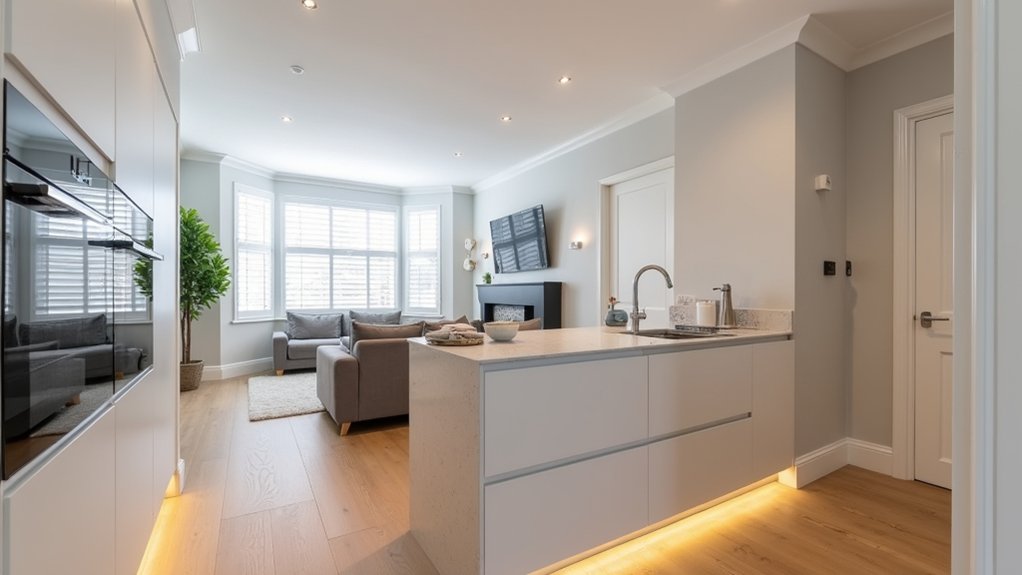
Before you spend a pound on upgrades, map your budget to what Bury’s commuter renters actually pay extra for: fast, reliable broadband; a walkable or bus-friendly route to Metrolink/rail links into Manchester; efficient heating and insulation that keep bills down; and a clean, modern kitchen/bathroom that photographs well and reduces void periods.
Treat every change like an investment: if it doesn’t lift achievable rent or cut letting time, skip it. Add measurable value with a pro Wi‑Fi setup, smart thermostat, LED lighting, and hardwearing flooring that reduces maintenance callouts.
Keep Luxury amenities modest and targeted—USB sockets, good water pressure, and blackout blinds outperform gimmicks.
Use Gardening enhancements for kerb appeal: tidy borders, low-maintenance planting, and secure bike storage to win viewings.
Set a Bury Rental Budget (Avoid Overpaying)
Once you’ve listed the upgrades Bury commuters will actually pay for, cap your spend with a rental budget that keeps the numbers honest and stops you “improving past the rent.” Start with the target rent for similar Bury commuter lets (same beds, parking, condition, and distance to Metrolink/rail) and work backwards: set a maximum upgrade pot that you can recover through a realistic rent lift and shorter voids, not best‑case assumptions.
Run the maths: forecast rent uplift, multiply by 12, then apply a payback limit (say 24–36 months). That’s your spend ceiling. If Luxury upgrades don’t lift achievable rent on local comparables, don’t fund them.
Use Smart home technology only where it reduces running costs or boosts demand (thermostats, locks), and price it in as a measurable return.
Plan the Works: Safety, EPC, Then Style
You’ll get the best ROI by sequencing your refurb: fix safety first (electrics, smoke/heat alarms, locks) to cut compliance risk and void periods.
Next, target EPC wins—insulation, efficient heating controls, and LED lighting—because better ratings reduce bills and protect future lettability as standards tighten.
Only then spend on rental styling, so every pound goes into photos, viewing velocity, and rent uplift rather than rework.
Prioritise Safety Upgrades
Although kitchen facelifts and new flooring grab attention, the smartest first spend in a Bury commuter home targets safety-critical upgrades that cut risk and protect resale value. Start by commissioning an EICR and fixing any C1/C2 electrics fast; landlords can’t afford voids caused by failed checks.
Add hardwired, interlinked smoke alarms plus heat detection in the kitchen to meet expectations and strengthen fire safety.
Upgrade escape routes: compliant fire doors where needed, clear egress windows, and a serviced CO alarm near gas appliances.
Then lock down the asset with Security upgrades: BS3621 locks, reinforced strike plates, sensor lighting, and a monitored alarm if the area demands it.
These spend lines reduce claims, lower tenant churn, and speed lettings—measurable ROI.
Improve EPC Efficiency
Because EPC ratings now influence mortgage options, tenant demand, and achievable rent, improving efficiency should sit immediately after safety fixes in your Bury commuter-home plan.
Start with a baseline EPC and thermal survey, then target the cheapest points-per-pound gains. Prioritise loft insulation to 270mm, draught-proofing around doors, and hot-water cylinder jackets; these typically pay back fast through measurable Energy savings.
Next, consider insulation improvements for cavity walls where suitable, plus TRVs and a smart thermostat to cut waste without replacing the boiler.
Swap remaining halogens for LEDs and add extractor fans with humidistats to reduce condensation risk.
Keep a simple spreadsheet: capex, predicted kWh reduction, payback, and EPC uplift, so you spend where returns stack.
Finish With Rental Styling
Once you’ve banked the EPC gains, switch focus to rental styling so the property lets faster and holds its rent on Rightmove. Target the photos: declutter hard, repaint in warm neutral, and add consistent lighting (3000K LEDs) so rooms read larger.
Spend where it shows—new handles, black taps, and a framed mirror—because “new” cues lift click‑through and viewing conversions. Add luxury amenities that price well: a smart thermostat, USB-C sockets, and a hotel-style shower screen; they’re low capex, high perceived value.
Stage a work-from-home nook with a desk and lamp; commuters still want flexibility. Finally, publish clear pet friendly policies with a modest rent premium or capped extra deposit so you widen demand without risking damage.
Fix the Layout: Flow, Storage, WFH Space
If your Bury commuter home feels cramped yet still wastes space, the layout—not the square footage—is usually the bottleneck. Start with layout optimization: measure pinch points (hallway width, door swings, dead corners) and redesign circulation so every room has a clear, direct route.
Replace oversized dining areas with a flexible living/dining zone; renters value function over formality, and faster lettings protect yield.
Next, add storage solutions that don’t steal floor area: full-height understairs cupboards, built-in wardrobes to ceiling lines, and slimline utility shelving. Aim for 10–15% more enclosed storage; it reduces clutter and photographs better.
Finally, carve out a WFH nook (600–800mm desk depth) near daylight, plus sockets and task lighting—remote-friendly listings justify stronger rent and lower voids.
Refresh Kitchen and Bath for Rental ROI
Where do Bury renters decide in seconds whether your home feels “worth it”? In the kitchen and bathroom. You don’t need a full rip-out; you need targeted upgrades that photograph well and cut objections at viewings.
Aim for a 5–10% rent uplift potential by modernising fronts, hardware, lighting, and splashback, then adding a sleek worktop if budgets allow. Fit a Smart home thermostat and extractor fan boost timer so tenants feel comfort and lower running costs immediately.
In the bath, replace tired taps, mirror, and shower, and upgrade to an efficient dual-flush WC to reduce water bills.
Choose eco-friendly materials—FSC cabinetry, low-VOC paint, recycled glass tiles—so you can market “greener living” without premium pricing.
Pick Hard-Wearing Finishes Tenants Can’t Destroy

Because tenant wear-and-tear shows up fastest on floors, worktops, and paint, you’ll get the best ROI by specifying finishes that resist scratches, staining, and moisture without pushing your capex into “premium” territory.
Go LVT or quality laminate over soft carpet in high-traffic zones; it cuts replacement cycles and void-time after move-outs.
Choose 38–40mm laminate worktops with tight-edged seals, and fit a simple upstand to reduce water ingress at sinks.
Use scrubbable, mid-sheen vinyl-matt on walls and durable satinwood on woodwork so touch-ups don’t flash.
Bake in Durability considerations: door handles, taps, and hinges in brushed finishes hide marks.
Match specs to tenant lifestyle—pets, kids, shift workers—so you avoid reactive repairs.
Boost Kerb Appeal and Unify the Interior Look
You’ll lift perceived value fastest by sharpening the exterior first impression—fresh paint, clean lines, and upgraded lighting can boost viewing interest without a big capex.
Inside, you’ll protect ROI by standardising a tight colour palette and repeating key finishes so every room feels intentional and easier to maintain.
When you align kerb appeal with a cohesive interior look, you reduce buyer/tenant objections and shorten time-to-let or time-to-offer.
Elevated Exterior First Impressions
While the interior sells the lifestyle, the exterior wins the click and the viewing—so upgrading your Bury commuter home’s first impressions is one of the highest-ROI moves you can make.
In listings, renters decide in seconds, and stronger curb appeal typically lifts enquiry rates and reduces voids, protecting yield.
Start with a deep clean: pressure-wash paths, revive brickwork, and clear gutters so the place reads “maintained.” Replace dated house numbers, fix fencing, and upgrade the letterbox and door hardware for low-cost impact.
Add sensor lighting to improve safety perceptions on evening viewings, and refresh planting with hardy evergreens that photograph well year-round.
Then make sure the entrance sets expectations for your interior decor: tidy porch storage, add a durable mat, and keep glazing spotless for maximum light.
Cohesive Colour And Finishes
First impressions get people through the door; a cohesive colour and finishes scheme helps them picture living there—and it can lift perceived value without a full refurbishment.
Keep walls to one warm neutral, then use one accent tone for doors, alcoves, and soft furnishings to lock in colour coordination across rooms.
Aim for finish consistency: pick one metal (brushed chrome or matte black) and repeat it on handles, taps, curtain poles, and lighting.
Standardise flooring bridges—same LVT tone through hall/kitchen, matching carpet shade upstairs—so the home reads larger and newer.
Use washable matt on walls and durable satin on woodwork to cut touch-up cycles between tenancies.
You’ll reduce decision fatigue for viewers, speed up letting, and support stronger rent negotiations with minimal materials spend.
Frequently Asked Questions
What Rental License or Selective Licensing Rules Apply in Bury?
In Bury, you’ll need Rental licensing mainly for HMOs; check mandatory HMO licensing, plus any selective or additional schemes in your ward. You should confirm current property regulations on Bury Council’s website to protect ROI.
How Long Does a Typical Bury Refurbishment Take From Start to Let?
You’ll typically take 6–10 weeks from start to let—like a stopwatch on ROI. Lock in Property valuation early, control Renovation budgeting weekly, then allow 1–2 weeks for snagging, compliance checks, marketing, viewings.
Should Landlords Use a Letting Agent or Manage the Property Themselves?
You should use a letting agent if you want faster ROI and fewer voids; manage yourself if you’ve time and systems. Agents handle tenant screening and property marketing; you keep fees but risk compliance mistakes.
What Insurance Cover Is Needed During Refurbishment and Once Tenanted?
A stitch in time saves nine: you’ll need renovation coverage during works—builder’s risk, public liability, theft, and covid insurance where available. Once tenanted, switch to landlord buildings/contents, liability, loss-of-rent, and legal expenses.
How Can Landlords Reduce Void Periods Between Tenancies in Bury?
You’ll cut voids in Bury by pricing to recent comps, launching fast Property marketing with pro photos, offering flexible viewings, and tightening tenant screening. Turnarounds in 48 hours, rapid repairs, and renewal incentives protect ROI.