
 By DQCS
By coincidence, the best way to boost ROI on a Gillingham starter home is also the simplest: set a resale ceiling from nearby sold prices and budget to stay under it. You’ll get the biggest uplift from compliance fixes, neutral finishes, and smart kitchen and bathroom refreshes that match local expectations. Skip luxury fixtures, niche tech, and layouts that reduce bedroom count. The numbers get clearer once you benchmark your street against the right comparables…
Set a Gillingham Resale Ceiling and Budget
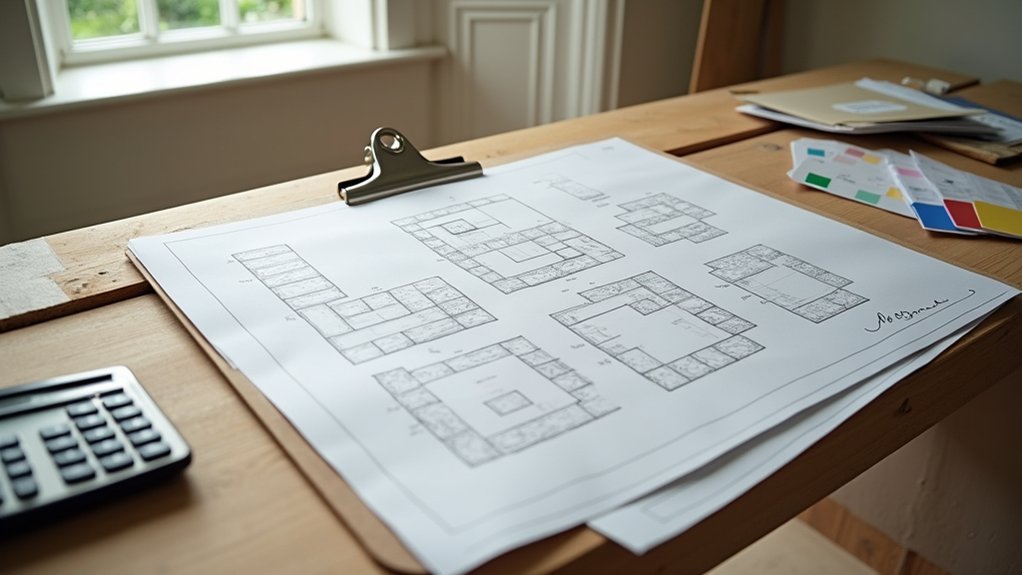
Before you pick finishes or knock down walls, set a resale ceiling for your Gillingham starter home by anchoring your plan to what comparable, recently sold homes actually achieve—then build a budget that protects your margin.
Pull 6–10 sold comps from the last 90–180 days within your micro-area, matching beds, baths, and floor area, then adjust for condition and parking. Use the top of that adjusted range as your ceiling; don’t assume list prices equal value.
Back into your all-in spend: target purchase + reno + fees + financing + contingency at or below 85–90% of the ceiling if you’re flipping. Allocate 10–15% contingency.
Price luxury fixtures and smart technology only after you’ve locked the ceiling.
Prioritise the Highest-ROI Upgrades for Local Buyers
Once you’ve set your resale ceiling, put your money where Gillingham buyers pay premiums: “move-in ready” fundamentals that show well in photos and surveys, not bespoke finishes that only some people value.
Start with kitchens and bathrooms: refresh doors, worktops, splashbacks, taps, and lighting for a clean, modern look that lifts perceived value fast. Fix anything that flags on surveys—damp, roof leaks, dated electrics, tired boiler—because buyers price in risk heavily.
Improve EPC basics (loft insulation, draught-proofing, smart heating controls) to widen mortgage-ready demand.
Add storage, tidy finishes, and neutral paint so rooms read bigger online.
Outside, prioritise kerb appeal with low-maintenance tidying; skip luxury fixtures and elaborate landscaping unless your comparables prove it pays.
Cut Costs on Low-ROI Finishes and Non-Essentials
Although a starter-home refresh in Gillingham should feel “finished,” you’ll protect ROI by cutting spend on finishes buyers rarely pay extra for—premium tiles, designer taps, built-in media walls, feature lighting schemes, and niche décor choices that date quickly.
Keep the spec clean and consistent instead: durable mid-range flooring, simple white sanitaryware, and standard chrome fittings that photograph well and meet buyer expectations at this price point. Skip luxury fixtures unless the whole street trades at a higher bracket; otherwise you’re compressing margin.
Put your budget where it shows in valuation: repair, compliance, and core room condition. Use cost-controlled custom paint only to unify spaces—neutral, scuff-resistant, one palette across walls and trim.
Aim for “new-looking,” not “bespoke.”
Avoid Gillingham Renovation Choices That Hurt Value
Keeping finishes sensible protects your budget; the next step is making sure the work you *do* choose doesn’t actively reduce resale value in Gillingham’s starter-home bracket. Buyers here compare against nearby, similarly sized homes, so over-improving rarely pays back.
Skip luxury fixtures that price you above the local ceiling; you’ll fund upgrades the next owner won’t value in their offer. Avoid removing bedrooms for open-plan “wow” space, since valuation models reward bedroom count and usable square metres.
Don’t install niche tech or bespoke built-ins that limit layout flexibility. Be cautious with bold color schemes, patterned tiles, and ultra-specific styling; they shrink buyer pools and can trigger “repaint and redo” discounts.
Prioritise neutral, durable finishes and straightforward maintenance, and you’ll protect appraisal outcomes and time-on-market.
Frequently Asked Questions
How Long Do Typical Gillingham Starter-Home Renovations Take From Start to Sale?
You’re off to the races: expect 10–16 weeks from start to sale in Gillingham. You’ll drive ROI by finishing Interior design in 6–10 weeks, then executing Landscaping ideas in 1–2 weeks before listing.
Do I Need Planning Permission or Building Regulations Approval for My Renovations?
You’ll often need Building permits or renovation permits for structural changes, extensions, loft conversions, and electrics; cosmetic work rarely does. You must meet building regulations for safety, boosting lender confidence, saleability, and ROI—verify locally.
Which Local Tradespeople Should I Hire, and How Do I Vet Them Properly?
Hire a trusted local builder, electrician, plumber, and plasterer—your ROI pit crew. Get three quotes for cost estimation, confirm contractor licensing, check reviews, and verify insurance. Compare timelines, warranties, and materials specs to market comps.
What Grants, Incentives, or Financing Options Exist for Gillingham Home Renovations?
You’ll find government grants via the UK’s ECO scheme and local Medway programs, plus financing options like personal loans, remortgages, and 0% credit. Compare APRs against projected uplift and payback timelines.
How Can I Stage My Renovated Home to Sell Faster in Gillingham?
Use Home staging to target Gillingham buyers: declutter 50%, neutralise colours, and spotlight updated kitchen/bath. Boost Curb appeal with fresh paint and lighting. Price competitively, add pro photos; you’ll cut days-on-market and lift offers.