
 By DQCS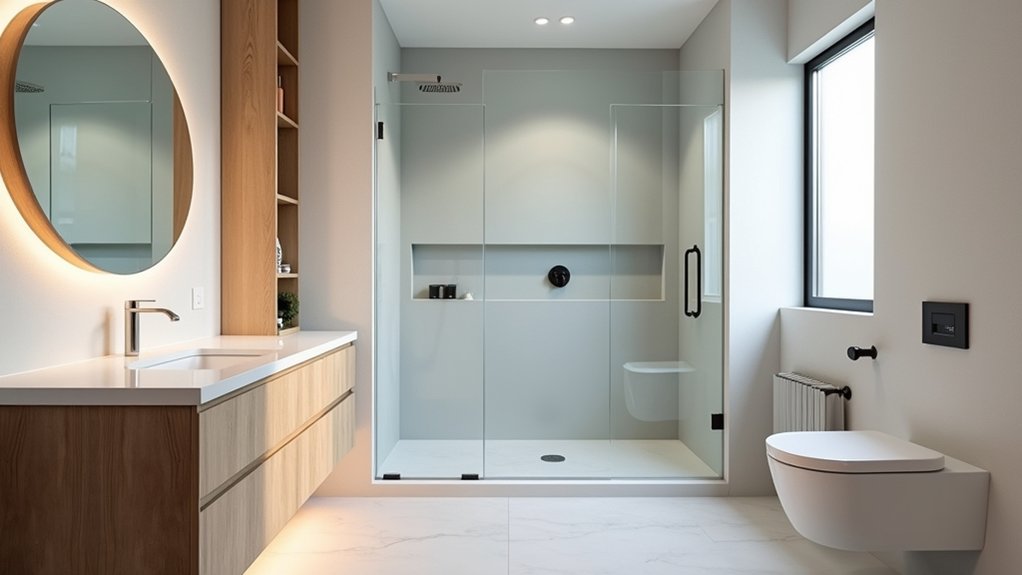
If your bathroom’s showing its age, you can turn that “lived-in” look into a clean, high-return upgrade without overcapitalizing. You’ll get the best ROI by sticking with durable, neutral materials, classic tile choices, and quality fixtures that buyers recognize as value. Add lighting, storage, ventilation, and water-saving features that reduce maintenance and operating costs. The key is knowing which upgrades pay back—and which ones quietly drain resale appeal…
Bathroom Renovation Upgrades That Pay Off Most

Where should you spend first if you want your bathroom reno to boost resale value—not just look good? Start with the shower: upgrade to a frameless glass enclosure, a linear drain, and a thermostatic valve. Buyers notice daily-use performance, and appraisers reward “like-new” wet areas.
Next, add a comfort-height, water-saving toilet and a quiet, high-CFM exhaust fan to prevent moisture damage.
Then improve lighting with layered LEDs (task plus ambient) and a dimmer; it photographs better and reads “updated” instantly.
For Luxury features, install radiant floor heat on a programmable timer and a heated towel bar.
For Eco friendly upgrades, choose WaterSense fixtures and a smart leak detector.
These upgrades reduce callbacks, speed showings, and protect margins.
Pick Bathroom Materials That Stay Stylish
To protect your ROI, you’ll want materials that look current for years, not just this season. You can anchor the room with timeless tile and stone—think classic subway, marble-look porcelain, or honed granite—so buyers read “quality” without a trend premium.
Then you’ll keep maintenance low and resale appeal high by sticking to durable neutral finishes that won’t show wear or clash with future updates.
Timeless Tile And Stone
Because tile and stone take up the largest visual surface in your bathroom, they’re also the biggest drivers of long-term resale appeal and day-to-day satisfaction. Choose classic formats buyers recognize: subway, hex, and large-format slabs that reduce grout lines and read premium. Keep grout tight and consistent, and specify a high-performance grout to protect your investment.
Use a Decorative mosaic sparingly—think shower niche or floor border—so you get design pop without dating the room. Add Natural stone accents in controlled doses, like a marble threshold or bench, and seal them correctly to avoid maintenance surprises that can scare future buyers.
Prioritize slip resistance for floors and shower pans, and match tile sizes to room scale to cut waste, labor time, and cost overruns.
Durable Neutral Finishes
Tile and stone set the foundation, but your finish selections—paint sheen, vanity fronts, metals, and hardware—are what buyers notice at arm’s length and what you’ll touch every day.
Choose Durable Neutral Finishes to protect resale value and reduce refresh costs. Use Neutral palettes—warm whites, greiges, soft taupes—so the room photographs cleanly and appeals to the widest buyer pool.
Specify washable satin or semi-gloss paint to resist moisture and scrubbing.
Pick vanity fronts in durable laminates, thermofoil, or sealed wood with Natural textures that hide fingerprints and minor dings.
Keep metals consistent: brushed nickel, chrome, or muted brass; avoid trendy black if your market skews traditional.
Spend on quality hinges and pulls—they’re cheap upgrades that signal craftsmanship.
Choose Bathroom Tile That Lasts and Sells
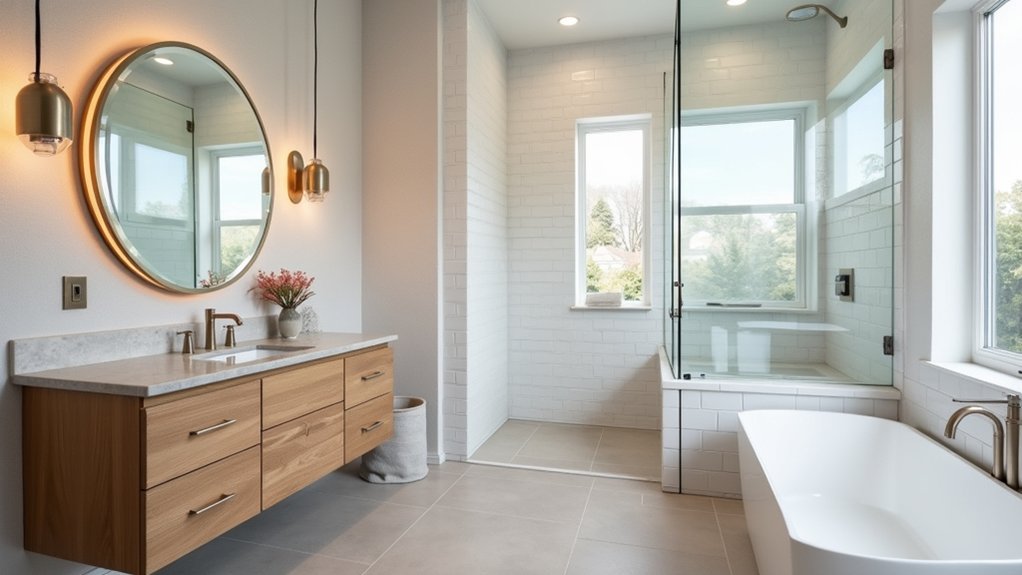
When you choose bathroom tile, you’re buying durability and resale power, so prioritize porcelain, ceramic, and natural-look finishes that resist water, wear, and staining.
You’ll protect ROI by sticking to resale-friendly palettes—whites, soft grays, warm beiges—and clean, classic patterns like subway, herringbone, or large-format.
Keep contrasts and trendy mosaics limited to small accents so the space photographs well and appeals to the broadest buyer pool.
Timeless, Durable Tile Choices
How do you pick bathroom tile that won’t date the space, crack under daily use, or turn off future buyers? Start by prioritizing proven performers: porcelain and high-quality ceramic for floors and wet walls. They resist moisture, stains, and abrasion, and appraisers recognize them as durable upgrades.
Use through-body porcelain or PEI-rated options on floors to reduce visible wear, and choose rectified edges for tighter grout lines that stay cleaner.
Then add value-driven detail without overcommitting. Use Marble accents sparingly—niches, thresholds, or a vanity backsplash—so you get the luxury signal without the maintenance budget.
Introduce Mosaic patterns on shower floors for slip resistance and better drainage while keeping installation straightforward.
Finish with epoxy or premium grout to cut callbacks and protect margins.
Resale-Friendly Colors And Patterns
Why do some bathrooms still feel current a decade later? They bet on resale-friendly neutrals and disciplined contrast. Start with warm whites, greige, soft taupe, or muted stone; these photograph well and widen buyer appeal. Use Color coordination to tie tile, grout, paint, and metals into one calm palette, then add value through texture, not loud color. Pick mid-tone grout for floors to hide wear and protect ROI.
When you want personality, use Pattern mixing strategically: keep one “hero” surface (a niche, floor, or vanity backsplash) and run simple field tile everywhere else. Choose classic shapes—subway, hex, penny, or herringbone—at modest scale so they won’t date. Limit bold patterns to small, replaceable zones.
Buyers notice restraint, and appraisers reward it.
Update Bathroom Fixtures for a Timeless Look
Although tile and paint grab attention first, your fixtures quietly determine whether the bathroom reads “dated” or “designed.” Updating faucets, showerheads, handles, and lighting to coordinated, high-quality finishes (think brushed nickel, chrome, or warm brass) gives you a timeless look that attracts buyers and reduces future replacement costs.
Skip mismatched Vintage fixtures unless you’re restoring a period home; otherwise, choose Modern hardware with clean lines and solid brass internals. You’ll feel the difference in smoother valves and fewer leaks, and appraisers notice cohesive upgrades.
Replace plastic escutcheons, worn diverters, and bargain towel bars with weighted, corrosion-resistant pieces. Match finish families across the room, but vary shapes slightly for depth. Keep receipts and model numbers to simplify warranty claims and future swaps.
Improve Bathroom Lighting for Function and Mood
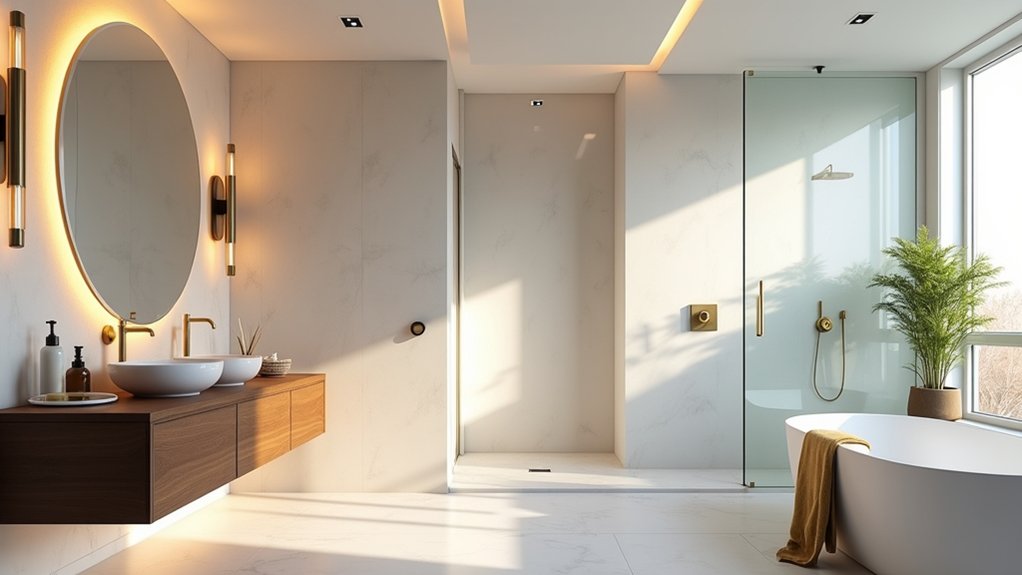
When you upgrade bathroom lighting with a plan, you boost daily usability and the room’s perceived value at the same time. Start by layering light: bright task lighting at the vanity reduces shadows for shaving and makeup, while ambient lighting fills the room evenly and makes it feel larger to buyers.
Choose high-CRI LEDs (90+), 2700–3000K for a warm, premium look, and add a dimmer so you can shift from morning clarity to evening mood enhancement. Put fixtures on separate switches to show intentional design—an easy, low-cost signal of quality during inspections and showings.
Prioritize moisture-rated, energy-efficient options to cut operating costs and prevent early failures. Clean, consistent lighting sells finishes better and reduces buyer objections.
Add Bathroom Storage Without Shrinking the Space
Even if your bathroom’s footprint can’t grow, you can add storage that reads as “custom” to buyers without eating up walk space. Prioritize vertical storage: a tall, shallow linen tower, recessed niches between studs, and wall-mounted cabinets that stop short of the ceiling line. These moves keep floor area open, which helps photos and showings feel larger—an ROI win in competitive listings.
Build concealed shelving into the vanity toe-kick, mirror cabinet, or behind a framed panel so essentials disappear and counters stay staged. Choose consistent finishes and integrated pulls to signal upgraded millwork, not add-ons.
Add a few open shelves only where they won’t crowd sightlines, and keep depths tight (4–6 inches) for high-impact practicality.
Upgrade Ventilation and Water Efficiency for Value
Why leave resale value on the table with a steamy, slow-drying bathroom and a water bill that signals inefficiency? Upgrade your fan to a quiet, high-CFM model with a humidity sensor and timer, and you’ll boost ventilation efficiency while protecting paint, grout, and millwork from moisture wear.
Vent to the exterior, seal duct joints, and choose an ENERGY STAR-rated unit to signal quality to buyers who scrutinize operating costs.
Next, build water conservation into every fixture: install a WaterSense toilet, low-flow showerhead, and aerated faucets that keep pressure strong. Add a thermostatic valve to stabilize temperature and reduce wasted run time.
These upgrades photograph well, read as “well-maintained,” and deliver savings buyers can calculate fast.
Bathroom Renovation Mistakes That Hurt Resale Value
Although a bathroom remodel should pay you back at resale, a few common missteps can quietly cut your return by making the space look dated, high-maintenance, or out of step with buyer expectations.
Skip ultra-specific layouts or removing a tub in a family market; you’ll shrink your buyer pool. Don’t overspend on luxury finishes in a midrange neighborhood, because appraisals won’t reward it.
Avoid Personalized decor and Trendy accents that lock you into a short style cycle, like bold tile murals or colored fixtures.
Poor lighting, mismatched metals, and uneven grout scream “DIY,” lowering offers. Choose durable, neutral surfaces, add ample storage, and keep plumbing moves minimal to protect margins.
Finally, document permits and warranties so buyers trust the work and pay more.
Frequently Asked Questions
What Bathroom Renovations Require Permits in My Area?
You’ll typically need permits for plumbing relocations, new drains, electrical rewiring, panel upgrades, structural wall changes, window alterations, and ventilation additions. Check Local regulations, follow the Permit process, and document work to protect resale value.
How Long Does a Typical Bathroom Renovation Take From Start to Finish?
You’ll typically finish a bathroom renovation in 3–6 weeks; complex layouts can run 8–10. You’ll stay on schedule by locking Design trends and Material selection early, avoiding delays, protecting ROI, and maximizing resale appeal.
What Renovation Features Improve Accessibility for Aging in Place?
Skip slippery steps, add steady support: you’ll boost accessibility with grab bar installation, a zero-threshold walk in shower, wider doorways, comfort-height toilet, lever handles, better lighting, and non-slip floors—upgrades buyers notice and insurers appreciate.
How Can I Renovate a Bathroom While Keeping It Usable?
You can keep it usable by renovating in phases, maintaining a working toilet, and setting up a temporary sink. Schedule Bathroom lighting last, add modular Storage solutions early, and protect finishes to minimize downtime.
What Is the Best Way to Choose a Reliable Bathroom Contractor?
Choose a reliable bathroom contractor by verifying Contractor credentials, checking recent local references, and confirming insurance and permits. You’ll protect resale ROI by comparing itemized bids, enforcing clear timelines, and aligning scope with Budget planning.