
 By DQCS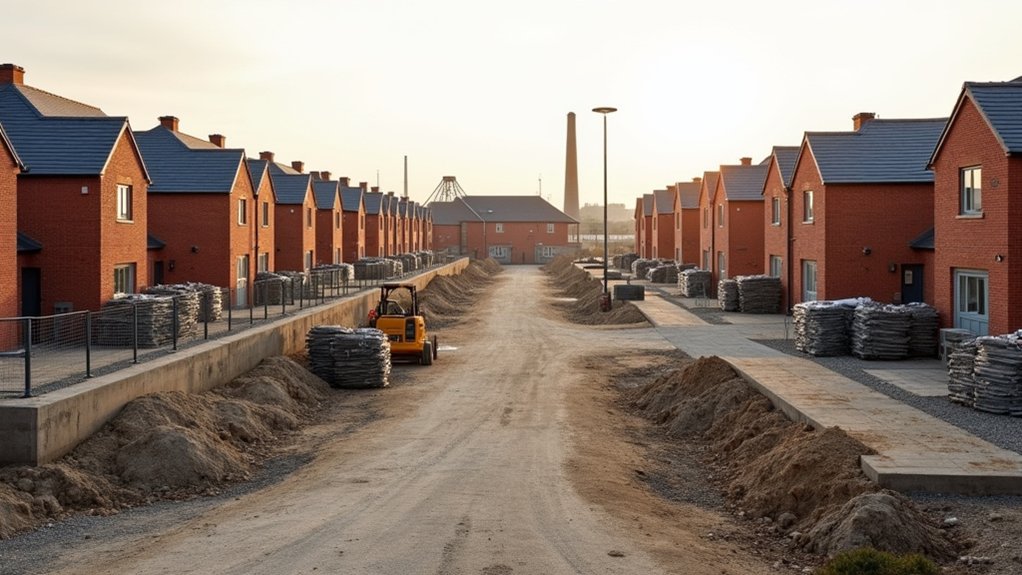
Brownfield housing is a lock, and planning, funding, and remediation are the key. You’re under pressure to turn constrained, sometimes contaminated land into compliant, financeable homes without letting timelines or risk premiums wipe out margin. You’ll see why schemes still stall even with policy support, how 2026 planning shifts are shortening determinations, and which viability tools actually move the numbers. Then you’ll need to decide what you tackle first…
What Is Brownfield Land in the UK?
Although “brownfield” can sound like planning jargon, in the UK it has a specific, investment-relevant meaning: land that’s been previously developed (or used for non-agricultural purposes) and may include vacant, derelict, or contaminated sites.
You’ll usually see it mapped on local authority brownfield registers and flagged through planning history, prior use, and site investigation data.
For returns, you treat brownfield as an evidence-led risk/discount question: what liabilities attach, what remediation standard applies, and what uplift follows consent.
You also factor Urban ecology: biodiversity net gain obligations can turn marginal plots into fundable schemes if you plan habitat delivery early.
And you respect Historical preservation: heritage assets, conservation areas, and archaeology conditions can reshape massing, phasing, and budgets while protecting value.
Why Brownfield Housing Still Stalls (The Real Blockers)
A brownfield site can look like easy volume on a map, yet housing delivery still stalls because the real blockers sit in the risk stack: uncertain remediation scope and sign-off, utilities and access constraints that trigger outsized abnormal costs, and planning conditions (BNG, heritage, drainage, archaeology) that load time and cashflow before you’ve even de-risked consent.
You’ll burn months pricing ground risk while regulators ask for more intrusive surveys and tighter Environmental impact evidence. Grid upgrades, easements, and rights of way can cap density or delay starts.
Conditions then stretch your programme: phasing, validation samples, SuDS, and ecology windows. If you skip Community engagement, objections harden and force redesign.
To keep ROI intact, you need early due diligence, clear remediation strategy, and a realistic abnormal-cost allowance baked into your appraisal.
2026 Brownfield Trends: Policy, Money, and Market Demand
As 2026 pipelines tighten and land values stay sticky, you’ll see brownfield winners come from three levers you can actually control: policy alignment, capital structure, and proven end-demand.
You’ll map each site to funding priorities tied to Urban regeneration and environmental sustainability, then structure deliverables to match grant criteria and lender covenants.
You’ll price remediation risk early, ring-fence contingencies, and lock in contractors on measured scopes, so your IRR doesn’t evaporate on surprises.
On money, you’ll blend senior debt with patient capital, stage drawdowns to milestones, and use pre-sales, forward funding, or income-backed exits to de-risk.
On demand, you’ll target undersupplied tenures, evidence absorption with comparable data, and design for EPC, OPEX, and resale premiums.
Planning Changes Speeding Brownfield Approvals
When planners streamline brownfield pathways—through clearer remediation standards, zoning flexibility, and faster pre-app consultations—you can cut months off your critical path and turn “planning risk” into a bankable timetable.
You’ll see LPAs lean more on risk-based land contamination guidance, so you can agree verification plans early and avoid late-stage condition wrangles. Use design codes and site-wide parameter plans to lock in massing and access while keeping unit mix adaptable.
You can also de-risk by sequencing surveys, transport notes, and utilities scoping to match validation checklists, reducing invalidations and stop-start requests.
Build Community engagement into your programme: run targeted drop-ins, publish plain-language remediation summaries, and log responses.
Address Environmental impact upfront with proportionate assessments and measurable mitigations, so consultees clear issues quickly and conditions stay deliverable.
Funding and Viability Tools for Brownfield Sites

Because abnormal costs can swallow your margin long before you pour concrete, you need funding and viability tools that quantify remediation risk, release patient capital, and keep lenders comfortable with the regulatory pathway.
Start with a viability appraisal that stress-tests land value, contingency, and programme against multiple contamination and utilities scenarios, then tie it to a funding strategy lenders can underwrite.
Use public private partnerships to blend local authority land, Homes England-style grants, and developer equity, while locking in deliverables through clear milestones.
De-risk cashflow with innovative financing such as revolving infrastructure funds, staged drawdowns, and performance-based tranches triggered by survey sign-off and planning conditions discharge.
Build a transparent audit trail for ESG, procurement, and subsidy control, so you can defend assumptions at credit committee and maximize IRR.
Remediation and Design That De-Risks Brownfield Homes
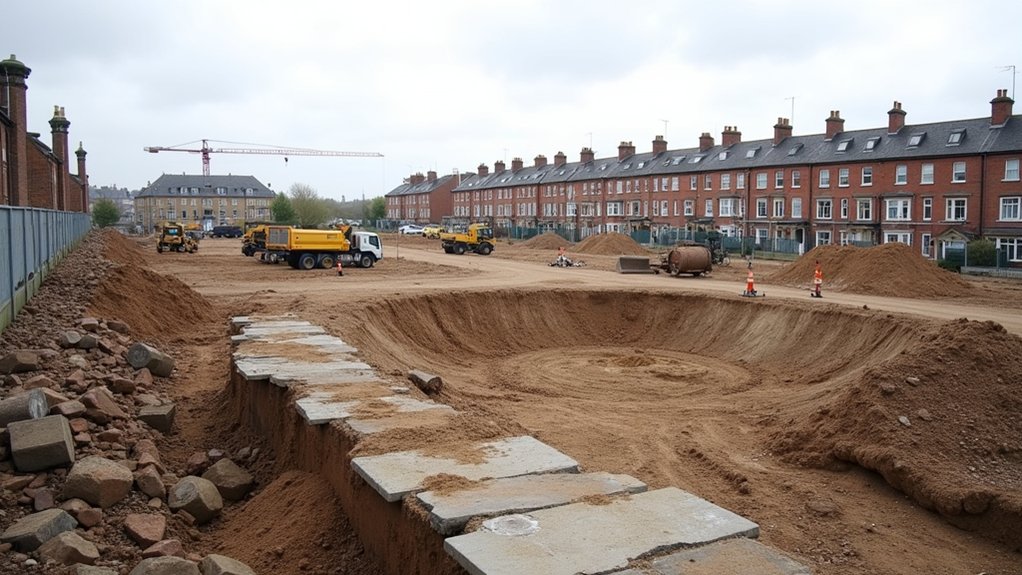
Although brownfield remediation can feel like a sunk cost, the right remediation-and-design package turns uncertainty into a controlled, mortgageable product. You start with a phased desk study and intrusive investigation aligned to UK planning conditions. Then lock down a remediation strategy that satisfies the LPA and your funder’s technical advisor.
Choose Innovative remediation only where it cuts programme risk: soil washing, stabilisation, vapour barriers, or targeted dig-and-dump, all backed by verification plans and clear sign-off routes.
You de-risk value by designing for ground conditions: lightweight foundations, raised floor slabs, drainage that manages residual contamination pathways, and landscaping that caps hotspots.
Build Community engagement into the programme early, so objections don’t turn into delays, redesign fees, or constrained discharge of conditions.
Frequently Asked Questions
How Does Brownfield Development Affect Council Tax and Local Service Funding?
As homes rise, bills follow: you’ll broaden the council tax base, boosting stable local service funding. You’ll also face upfront remediation and regulation costs. Community engagement accelerates approvals; reduced environmental impact limits long-term liabilities, improving ROI.
What Insurance Options Cover Unexpected Contamination Discovered After Completion?
You’ll typically use environmental impairment liability policies, including post-completion cover, plus pollution legal liability and latent defects add-ons. They address Contamination liability with defined Insurance coverage, satisfying regulators and protecting ROI through negotiated cleanup and legal costs.
How Can Neighbours Challenge a Brownfield Housing Decision Once Approved?
Like David versus Goliath, you can still contest approval: mobilise Community engagement, request a planning review, lodge objections, and pursue legal challenges via judicial review within strict deadlines. You’ll need procedural errors evidence to win.
Do Brownfield Homes Have Different Mortgage Criteria or Resale Values?
Yes, you may face tighter Mortgage eligibility and different resale valuation. You’ll need clean contamination reports, warranties, and planning sign-offs. If you secure those, lenders compete and buyers pay more; if not, expect discounts.
What Long-Term Health Monitoring Exists for Residents Near Remediated Sites?
You won’t get automatic lifelong checkups—yet you can access council and NHS surveillance, plus regulator-required monitoring of Soil health and Air quality. If you worry it’s costly, you’ll reduce risk via reports, alerts, audits.