 By DQCS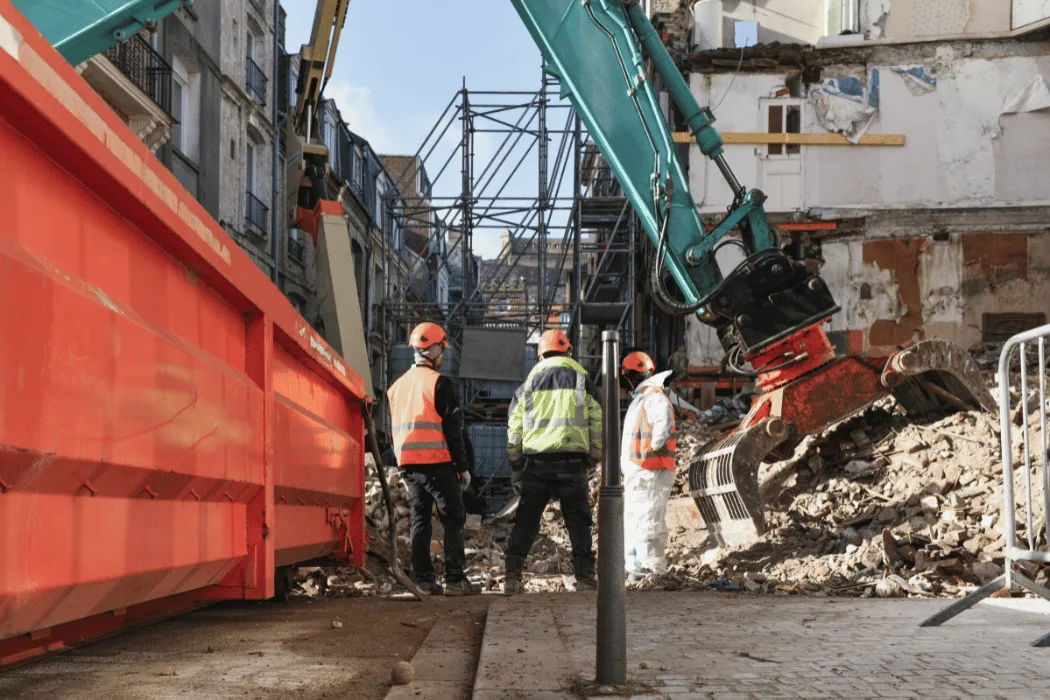
Demolition is much more than tearing down a building. It is a carefully planned process that requires detailed preparation, technical expertise, strict safety measures, and effective project management. Whether you are removing a residential property, clearing a commercial site, or preparing land for a new development, proper planning is essential to ensure the project is completed safely, efficiently, and within budget.
A successful demolition project minimises risks, protects surrounding properties, complies with legal regulations, and creates a clean site ready for the next phase of construction. At DQC Services, we understand that careful planning is the key to successful demolition. In this guide, we explain every stage of planning a demolition project from start to finish.
Understand the Project Requirements
Every demolition project is unique. Before any work begins, it is important to understand the purpose of the demolition and the overall project goals.
Consider questions such as:
- Why is the building being demolished?
- Will the site be redeveloped?
- Is partial or complete demolition required?
- Are there nearby structures that need protection?
- What is the project timeline?
Having clear objectives helps determine the safest and most efficient demolition method.
Conduct a Detailed Site Assessment
A thorough site assessment is the foundation of every successful demolition project. Experienced professionals inspect the property to identify structural conditions, hazards, and any challenges that may affect the work.
During the assessment, contractors typically evaluate:
- Building size and construction type
- Structural stability
- Foundation condition
- Utility connections
- Nearby buildings
- Site access
- Environmental concerns
- Waste disposal requirements
This information helps create a detailed demolition strategy.
Complete Structural Surveys
Before demolition begins, engineers or qualified specialists should carry out a structural survey.
This survey helps determine:
- Load-bearing walls
- Structural weaknesses
- Building materials
- Safe demolition sequence
- Potential collapse risks
Understanding the building’s structure improves safety throughout the project.
Obtain Necessary Permits and Approvals
Most demolition projects require permits before work can begin. Local authorities often require documentation to ensure demolition complies with safety and environmental regulations.
Required approvals may include:
- Demolition permits
- Environmental approvals
- Waste disposal authorisation
- Road access permissions
- Traffic management approvals
Obtaining permits early helps avoid unnecessary project delays.
Disconnect Utility Services
Before demolition starts, all utility services should be safely disconnected.
These may include:
- Electricity
- Water
- Gas
- Telecommunications
- Sewer connections
Professional utility providers should complete these disconnections to eliminate potential hazards during demolition.
Identify Hazardous Materials
Older buildings may contain hazardous materials that require specialist removal before demolition.
Examples include:
- Asbestos
- Lead-based paint
- Chemical storage
- Contaminated soil
- Fuel tanks
- Hazardous waste
These materials must be removed safely and disposed of according to environmental regulations.
Develop a Comprehensive Demolition Plan
A demolition plan outlines every stage of the project and ensures everyone understands their responsibilities.
A typical demolition plan includes:
- Scope of work
- Demolition methods
- Equipment requirements
- Site access routes
- Waste management procedures
- Emergency response plans
- Safety protocols
- Project schedule
A detailed plan improves organisation and reduces the risk of unexpected issues.
Choose the Right Demolition Method
Different structures require different demolition techniques.
Common methods include:
Manual Demolition
Suitable for smaller buildings or projects requiring precise dismantling.
Mechanical Demolition
Uses heavy machinery such as excavators and hydraulic breakers for faster removal.
Selective Demolition
Removes only specific sections of a structure while preserving the remaining building.
High-Reach Demolition
Ideal for multi-storey buildings where specialised equipment safely dismantles upper levels.
Selecting the correct method improves efficiency and site safety.
Select the Appropriate Equipment
Modern demolition relies on specialised machinery designed for different project requirements.
Common equipment includes:
- Excavators
- Hydraulic breakers
- Concrete crushers
- Skid steer loaders
- High-reach demolition machines
- Wheel loaders
- Dump trucks
- Dust suppression equipment
Using suitable machinery allows work to be completed safely and efficiently.
Prioritise Site Safety
Safety should remain the highest priority throughout every demolition project.
Important safety measures include:
- Installing protective fencing
- Restricting site access
- Providing personal protective equipment (PPE)
- Conducting daily safety briefings
- Monitoring structural stability
- Using qualified machine operators
- Maintaining emergency procedures
Regular inspections help identify and address risks before they become serious problems.
Implement Dust and Noise Control Measures
Demolition can generate significant dust and noise, particularly in urban environments.
Effective control measures include:
- Water spraying systems
- Dust suppression equipment
- Noise barriers
- Controlled working hours
- Equipment maintenance
- Monitoring air quality
These measures help protect workers, neighbouring properties, and the surrounding community.
Create a Waste Management Strategy
Demolition produces large quantities of waste materials that require proper handling.
A waste management plan should include:
- Material separation
- Recycling procedures
- Scrap metal recovery
- Concrete recycling
- Timber disposal
- Hazardous waste removal
Recycling materials wherever possible reduces landfill waste and supports sustainable construction practices.
Coordinate with Other Contractors
Demolition is often the first stage of a larger construction project.
Maintaining communication with:
- Architects
- Engineers
- Builders
- Utility providers
- Local authorities
- Site managers
helps ensure a smooth transition between demolition and construction activities.
Monitor Project Progress
Effective project management involves continuous monitoring throughout the demolition process.
Project managers should regularly review:
- Safety performance
- Work quality
- Equipment operation
- Project timeline
- Waste removal
- Budget performance
Addressing issues early helps prevent costly delays.
Conduct Final Site Clearance
After demolition is complete, the site must be thoroughly cleared before construction begins.
Final site clearance typically includes:
- Removing remaining debris
- Recycling materials
- Levelling the site
- Inspecting ground conditions
- Confirming utility safety
- Preparing access routes
A clean, organised site allows construction teams to begin work immediately.
Common Mistakes to Avoid
Poor planning often leads to delays, increased costs, and safety risks.
Avoid these common mistakes:
- Beginning work without permits
- Ignoring structural assessments
- Failing to disconnect utilities
- Choosing unsuitable demolition methods
- Poor waste management
- Inadequate safety planning
- Hiring inexperienced contractors
- Underestimating project timelines
Careful preparation helps avoid these problems.
Benefits of Proper Demolition Planning
A well-planned demolition project offers many advantages, including:
- Improved worker safety
- Faster project completion
- Reduced construction delays
- Better environmental protection
- Efficient waste recycling
- Lower overall costs
- Protection of nearby structures
- Compliance with legal regulations
- Better project coordination
- Smooth preparation for new construction
These benefits contribute to successful redevelopment projects and long-term cost savings.
Why Experience Matters
Demolition projects require technical expertise, modern equipment, and careful coordination. Experienced contractors understand how to manage complex projects while maintaining high safety standards and delivering reliable results.
Working with a professional demolition company ensures every stage of the project is handled efficiently, from planning and permits to site clearance and waste management.

Final Thoughts
Planning a successful demolition project involves much more than removing a structure. It requires detailed site assessments, regulatory compliance, safety planning, environmental responsibility, and effective coordination between multiple professionals. Taking the time to plan each stage carefully helps reduce risks, improve efficiency, and create a solid foundation for future construction.
At DQC Services, we provide professional demolition solutions backed by years of industry experience, skilled operators, and a commitment to safety and quality. From initial planning and controlled demolition to responsible waste management and complete site clearance, our team delivers dependable services across the UK, Ireland, and Europe. With the right planning and the support of experienced professionals, every demolition project can be completed safely, efficiently, and successfully.