
 By DQCS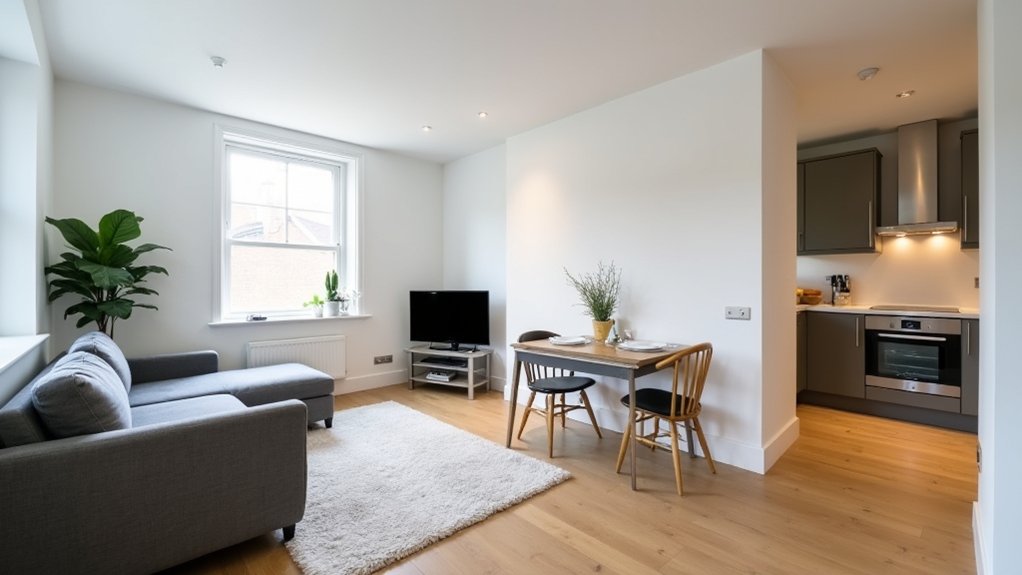
You can’t boost rent without fixing what blocks demand. You start by spotting layout bottlenecks, worn finishes, and any safety gaps that trigger tenant objections or compliance risk. Next, you rank upgrades by ROI: flow improvements, durable flooring, brighter lighting, fitted storage, and reliable Wi‑Fi, then add insulation to cut bills and protect margin. You finish with compliant fire safety, smart furnishing, and pricing that trims voids—then the numbers shift, and the key lever becomes…
What Held This Cardiff Student House Back?
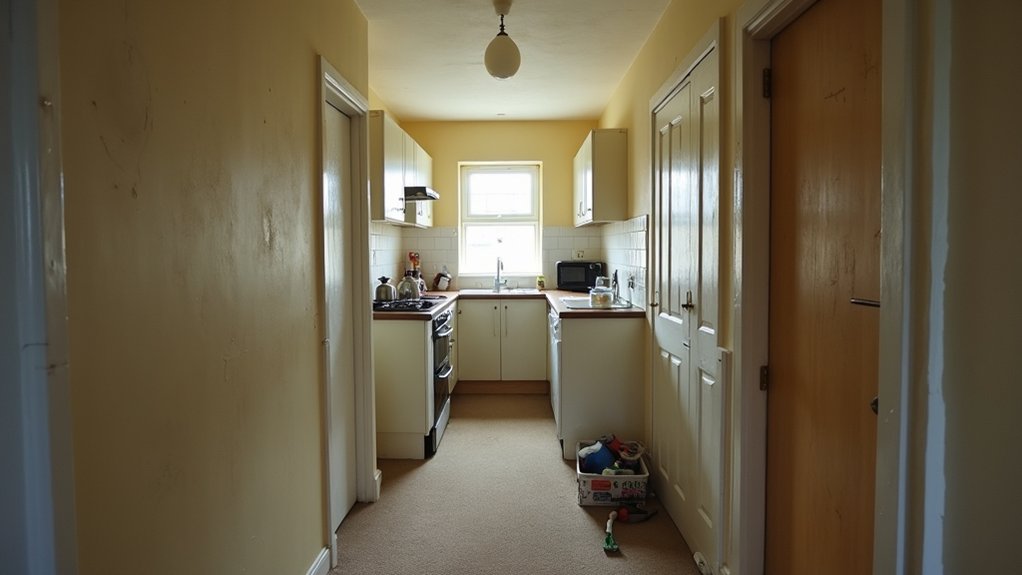
Although the postcode and university demand looked strong on paper, this house underperformed because the fundamentals didn’t pencil out: the layout capped lettable bedrooms, the spec lagged behind competing HMOs, and compliance gaps added risk and cost.
You start by mapping income: fewer bedrooms means lower gross rent, and awkward circulation reduces room sizing options. Next, you benchmark finishes against nearby listings; older kitchens, tired flooring, and weak Wi‑Fi readiness push tenants to better-stocked houses, increasing void risk.
Then you audit Student safety: insufficient detection coverage, unclear escape routes, and worn fire doors inflate remedial quotes and slow licensing.
Finally, you model Energy efficiency: poor insulation and aging heating raise bills, cut affordability, and erode net yield under bills-inclusive terms.
Upgrade Priorities That Raise Rent and Cut Voids
Once you’ve confirmed the house’s income ceiling and compliance gaps, you can prioritise upgrades by impact on rent per room and weeks voided, not by what looks nicest on day one.
Start with safety and reliability: electrics, heating, ventilation, and hot-water capacity, because breakdowns spike voids and reviews.
Next, fix moisture and insulation to cut complaints and winter drop-outs.
Then add speed: upgrade broadband and add hardwired access points to reduce callouts and improve tenant retention.
Tighten Property management systems: keyless entry, durable flooring in high-wear zones, and labelled shut-offs so maintenance is faster.
Finally, target measurable lift items: extra fridge/freezer capacity and laundry uptime.
Track pre/post: rent achieved, enquiry-to-viewing rate, and average re-let days.
Layout and Finishes Cardiff Students Choose First
Because students decide in minutes whether a room feels “worth it,” you should treat layout and finishes as conversion levers and prioritise the changes that lift rent and reduce re-let days fastest.
Start by fixing flow: remove dead corners, add a desk zone, and keep bed-to-door sightlines clear; you’ll photograph better and justify a rent premium.
Next, standardise storage with fitted wardrobes and under-bed drawers to reduce clutter complaints.
Upgrade touchpoints: hardwearing LVT floors, wipeable matt paint, and consistent black hardware across rooms for a “new-build” feel.
Then optimise interior lighting: 4000K LEDs, bright task lamps at desks, and even ceiling light spread.
Finish outside with simple landscaping design—trim, gravel, and low-maintenance planting—to lift kerb appeal and bookings.
Cardiff HMO Compliance Checks Before Refurb
Before you spend £1 on finishes, run a Cardiff HMO compliance audit so you don’t pay twice for rework—or lose rent to delays.
Step 1: confirm Property licensing requirements with Cardiff Council (mandatory HMO licence vs additional licensing) and map the decision to your room count and occupants.
Step 2: commission an EICR, gas safety, and fire risk assessment; price any remedials now, not after plastering.
Step 3: check minimum room sizes, escape routes, FD30 doors, interlinked alarms, emergency lighting, and fire blanket/extinguisher specs—small upgrades can *facilitate* faster sign-off and earlier income.
Step 4: verify EPC targets and insulation opportunities while walls are open.
Step 5: document everything for inspections and tighten Tenant screening to reduce antisocial risk and protect licence conditions.
Furnish, Price, and Market to Cardiff Students
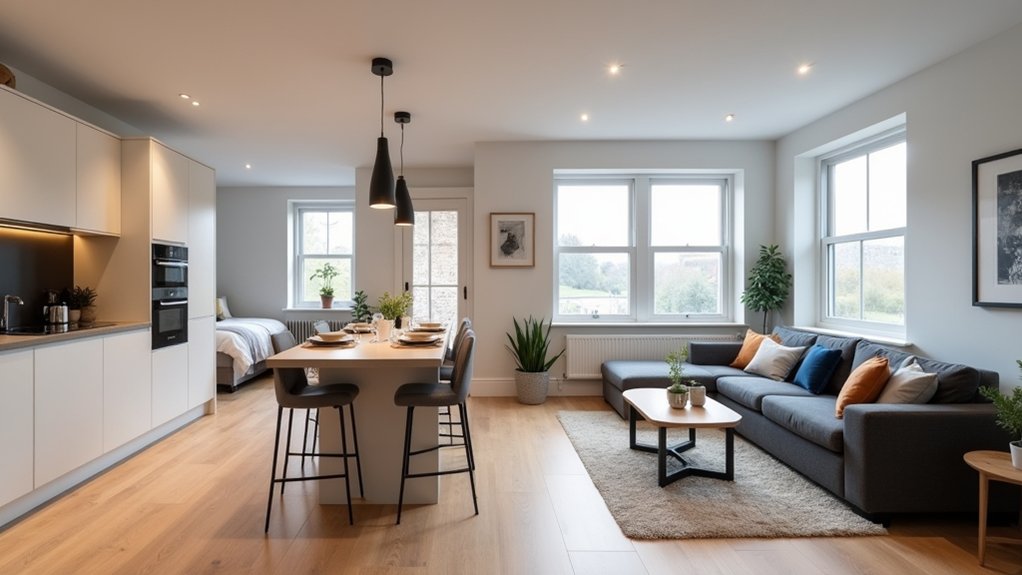
Compliance gets you a licence and a safe layout; furnishing, pricing, and marketing gets you occupancy and yield.
Start with a durable, Instagram-ready furnishing style: matching desks, blackout blinds, USB sockets, and hotel-grade mattresses; cap spend at 6–8% of annual rent to keep payback under 12 months.
Next, set rents by room, not house: benchmark Spareroom and Cardiff uni groups weekly, then use rental pricing strategies like £5–£10 premiums for en-suites, corner rooms, or bills-included bundles.
Build a 3-tier offer (standard, premium, all-inclusive) to reduce negotiation.
Finally, market like a funnel: pro photos, 60-second video walkthrough, and same-day viewings. Track enquiry-to-viewing and viewing-to-application rates; adjust price within 7 days.
Frequently Asked Questions
What Financing Options Suit Converting a Student House Into a High-Demand Rental?
You’ll suit it with a refurbishment buy-to-let mortgage, bridging loan, second-charge loan, or remortgage release. Step-by-step, compare APR, fees, and cashflow. Then fund pricing strategies and marketing techniques that lift occupancy and ROI.
How Long Does a Full Cardiff Student Property Conversion Typically Take?
You’ll typically need 8–16 weeks for a full Cardiff conversion. Step-by-step: 1–2 weeks design/permissions, 4–8 weeks build (Property layout), 2–4 weeks finishes; control Decorating budget to protect ROI.
What Insurance Changes Are Needed When Switching to an HMO Rental?
Switch to specialist HMO Insurance policies: landlord buildings, contents, property owners’ liability, loss of rent, and legal expenses. Step-by-step: notify insurers, update occupancy/locks/fire safety, evidence Legal compliance, reprice premiums, compare quotes to protect ROI.
How Do You Handle Tenant Disputes and Enforce House Rules Effectively?
Want fewer disputes fast? You enforce clear house rules by: 1) issuing written Pet policies, 2) documenting complaints within 24 hours, 3) following Maintenance procedures, 4) mediating, then warning, 5) charging fees. This protects ROI.
What ROI and Payback Period Should Investors Expect in Cardiff Student Rentals?
You should expect 7–12% net ROI and a 7–10 year payback in Cardiff student rentals. Step-by-step: verify Market demand, model rent and voids, then subtract renovation costs, finance, fees, maintenance.