
 By DQCS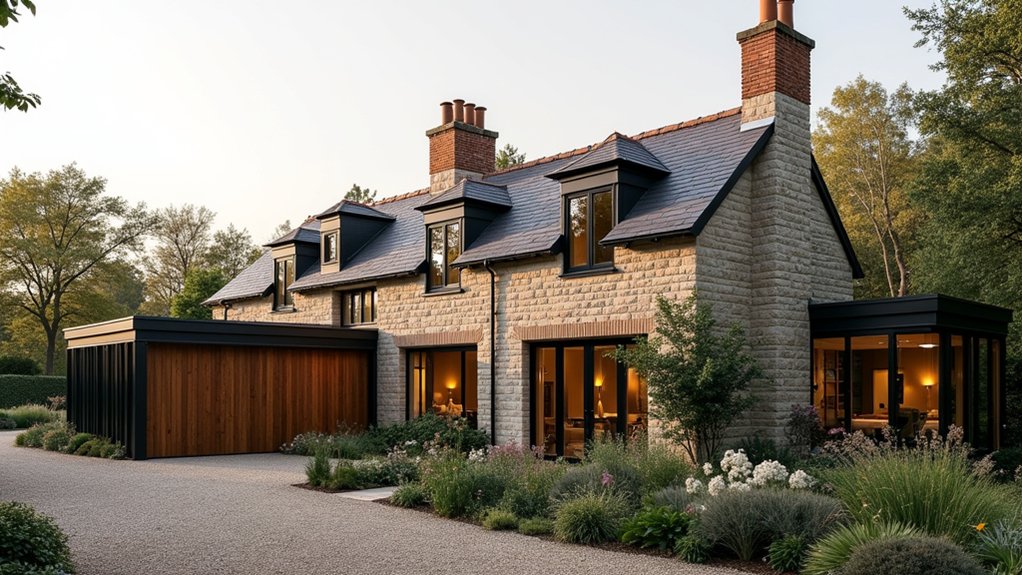
You don’t have to gut your Winchester cottage to make it work like a modern country home. Start by pricing the fabric-first essentials—roof, damp control, wiring, and heating—then map where better flow will actually add value, like a widened doorway or a reworked kitchen threshold. Next, plan glazing and doors that boost daylight without breaking conservation rules. The real payoff comes when you sequence finishes and storage so nothing feels forced…
Plan Your Winchester Cottage Renovation (Budget, Rules, Layout)
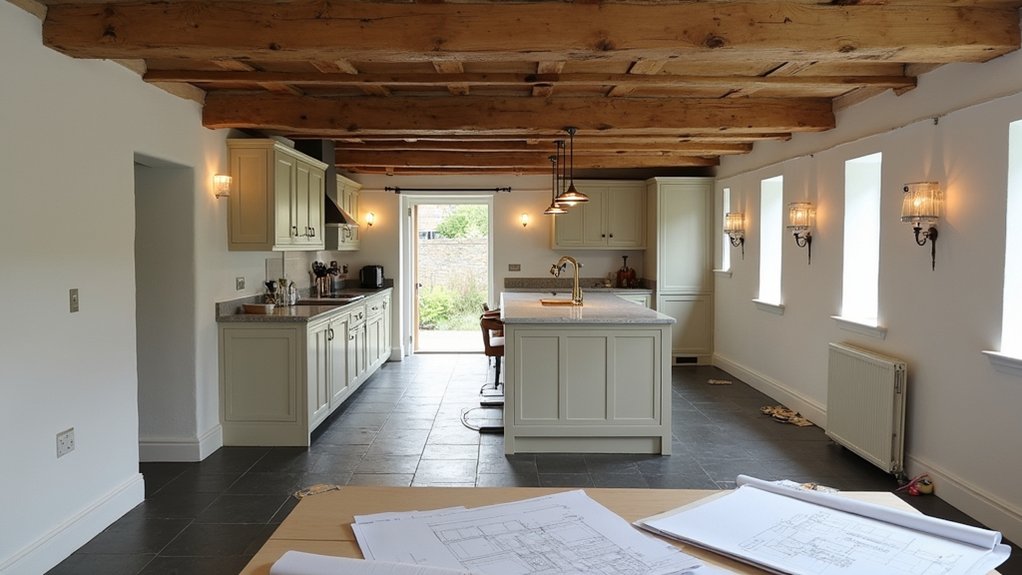
Before you pick finishes or book trades, map out a renovation plan that protects your budget, stays compliant with Winchester’s planning and conservation rules, and fixes the layout issues that typically make cottages feel dark, tight, or inefficient.
Start with measured surveys, a condition report, and a scope that separates must-fix defects from value-add upgrades.
Build Budget allocation around fabric-first priorities: roof, damp, drainage, electrics, heating, and insulation, then contingency (10–15%) for hidden issues.
If you’re in a conservation area or listed, confirm permissions early and document Historic preservation intent with materials specs and method statements to prevent redesign fees or enforcement risk.
Sequence works to reduce rework: structural repairs, services routes, thermal improvements, then interiors.
Validate ROI by comparing costs to local resale benchmarks and rental demand.
Open Up the Layout and Improve Flow: Without Losing Character
Although Winchester cottages often charm you with snug rooms and low beams, that same chopped-up plan can suppress daylight, waste floor area, and cap resale appeal—so opening the layout needs to target flow upgrades that pay back without stripping period features.
Start by mapping daily routes: entry-to-kitchen, kitchen-to-dining, and stair access. Remove only non-structural partitions, and replace them with wide cased openings or timber posts so you keep legible “rooms” while improving circulation.
Keep original doors, architraves, and floorboards where possible; that’s Historical preservation that valuers notice. If you must relocate a doorway, reuse reclaimed trims to avoid a patched look.
Tie spaces together with consistent interior styling—repeat paint tones, hardware finishes, and sightline-friendly storage—so the home feels larger, and buyers feel the upgrade instantly.
Increase Natural Light With Modern Country Glazing and Doors
Because Winchester cottages often rely on small panes and deep reveals, you’ll get one of the fastest ROI wins by upgrading glazing and doors to pull more daylight through the plan without losing the “country” feel.
Start by enlarging key openings where structure allows, keeping proportions sympathetic to the façade. Specify Contemporary window designs with slim sightlines, but choose timber or alu-clad frames in muted tones to stay rural.
Use Energy efficient glazing (low‑E, argon, warm-edge spacers) to cut heat loss while boosting visible light transmission.
Swap solid rear doors for part‑glazed or fully glazed French or sliding doors to brighten kitchen-diner zones and improve garden connection.
Add trickle vents and secure multipoint locks so comfort, compliance, and resale value rise together.
Get installer warranties and FENSA certificates for buyer confidence.
Finish the Look: Period Textures, Modern Surfaces, and Hidden Storage
Once you’ve pulled more daylight in with better glazing and doors, the next ROI win comes from finishes that make the cottage feel intentional, easy to live in, and broadly appealing to buyers.
Keep original features where they read as quality: restore floorboards, limewash uneven plaster, and retain exposed beams so period textures do the heavy lifting without costly new “character.” Then balance them with modern surfaces that signal low maintenance—microcement or honed stone worktops, hardwearing matte cabinetry, and washable clay paint in high-traffic zones.
Hide clutter to protect value: build bench seating with lift-up lids, add shallow pantry pull-outs, and run full-height wardrobes into eaves.
Use consistent hardware, soft-close hinges, and shadow-gap plinths to look bespoke on a controlled budget.
Frequently Asked Questions
What Are the Best Local Contractors in Winchester for Cottage Renovations?
You won’t find one “best,” but shortlist 3–5 Winchester specialists; 68% of renos exceed budgets without vetting. Prioritize Historic preservation credentials, Interior design coordination, fixed-price quotes, references, and clear change-order processes to protect ROI.
How Long Does a Winchester Cottage Renovation Typically Take From Start to Finish?
You’ll typically need 4–12 months start to finish, depending on scope, consents, and supply lead times. You’ll protect historic charm by planning early; a realistic renovation timeline cuts rework, delays, and budget overruns.
Will Renovating My Cottage Increase Its Resale Value in the Winchester Market?
Yes—done right, it’s a rising tide that lifts your price. You’ll boost resale value in Winchester by aligning upgrades with Market trends, tightening budgets, and targeting Property valuation drivers like kitchens and energy.
What Insurance Coverage Do I Need During a Major Cottage Renovation?
You’ll need builder’s risk or renovation coverage, plus updated dwelling limits and liability. Add contractor’s insurance verification, theft/vandalism protection, and ALE. These insurance considerations reduce costly gaps, protect cashflow, and preserve resale ROI.
How Can I Make My Renovated Cottage More Energy-Efficient and Eco-Friendly?
Think of efficiency as a money-saving engine: you’ll air-seal, add insulation, and install efficient HVAC and LEDs. Choose sustainable materials, upgrade windows, and add renewable energy (solar/heat pump) to cut bills, boost resale.