
 By DQCS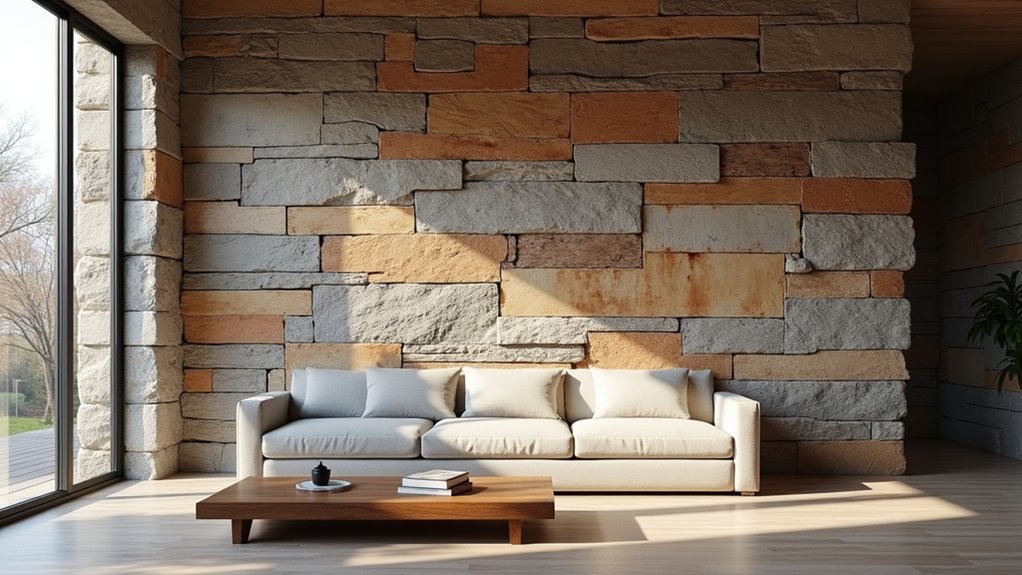
If you want a feature wall that earns its keep, reclaimed quarry stone gives you instant texture, depth, and a high-end finish without relying on paint or trendy panels. You get natural variation that hides minor scuffs and holds up to daily use, especially when you choose the right interior finish and plan your pattern before you set a single piece. The real upgrade comes when your substrate, grout lines, and lighting work together—but that’s where most installs go sideways…
Choose a Reclaimed Quarry Stone Finish for Indoors
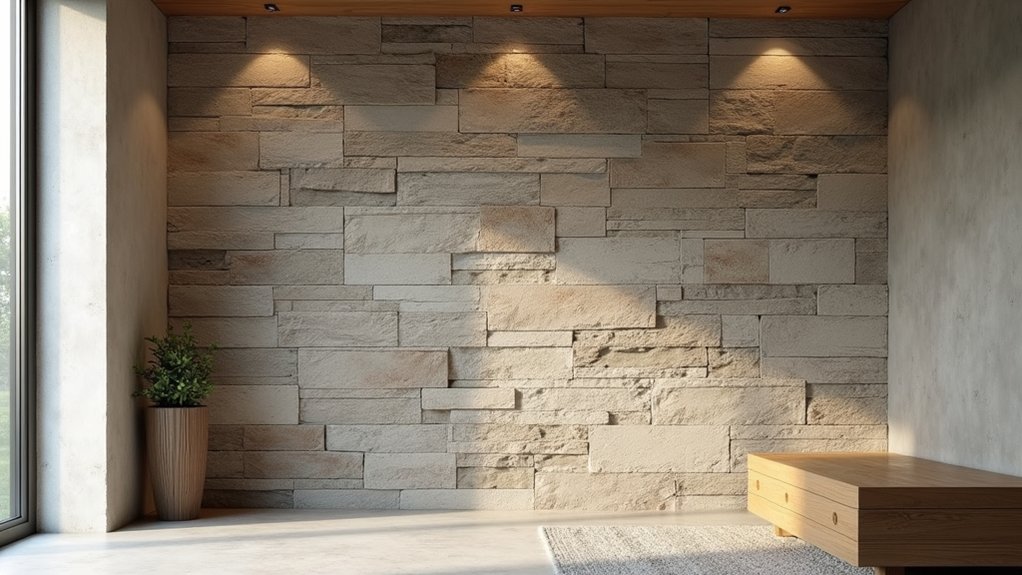
If you want reclaimed quarry stone to pay off indoors—both visually and in resale—start by choosing a finish that matches the room’s wear level and lighting.
For high-traffic entries and kids’ zones, pick a honed or lightly brushed face that cleans fast and won’t snag sleeves, while still showing natural texture.
In dining rooms and low-touch feature areas, you can use a split-face or chiseled finish for deeper shadow lines, but plan for more dusting.
In bright rooms, matte finishes cut glare and hide micro-scratches; in dim spaces, a subtle satin sealer boosts reflectance without looking plastic.
Ask for pre-sorted thickness and edge condition to reduce labor.
Reclaimed stone also lowers environmental impact, a selling point you can document.
Pick Your Feature-Wall Pattern and Dry Layout
Before you spread a single bed of mortar, lock in a feature-wall pattern and do a full dry layout so you control cost, waste, and the final look. Start by choosing a pattern that fits your stone cut: coursed for consistent heights, random ashlar for a refined “found” look, or mosaic for tight spaces.
Sort pieces into piles by size, thickness, and face character to speed decisions and reduce offcuts.
Plan color coordination by distributing light and dark stones evenly, then add texture contrast by mixing smooth faces with rough splits in measured clusters.
Dry-lay the full wall on the floor, mark reference rows, and photograph each section. Tweak joint lines, avoid repeating shapes, and set aside awkward pieces for edges and returns.
Prep the Substrate and Install Reclaimed Stone Safely
Once your dry layout’s locked, shift your attention to the wall assembly—because the right substrate prep and install sequence prevent stone failures, cut rework time, and protect you from avoidable safety risks.
Start with Surface preparation: verify framing is plumb, tighten sheathing, and eliminate paint, dust, and oils. Patch voids, flatten highs, and confirm the wall can carry the load; add blocking or lath/cement board where needed.
Prime or dampen per mortar spec so you don’t lose bond to thirsty substrates. Mix mortar to the manufacturer’s ratios, then burn a coat into the wall and back-butter each stone for full contact.
Keep joints consistent with spacers. For safety considerations, wear eye/respiratory protection, control silica dust, and stage stones to avoid overreaching.
Light, Grout, and Style the Stone So It Feels Intentional
Although reclaimed quarry stone brings instant character, the wall won’t read “finished” until you control three variables—lighting direction, grout color/profile, and surrounding finishes—because they determine whether the texture looks crisp and curated or dark and chaotic.
Aim grazed light from above or the side to reveal relief without harsh shadows; dimmable LEDs let you tune it for day and night. Choose grout to manage contrast: a close-match color palette hides chips and speeds resale appeal, while a darker joint outlines each stone and can look busier.
Keep joints slightly recessed and tooled for clean lines and fewer dirt traps. Style the perimeter with simple trims, matte paint, and minimal shelving so the stone stays the hero.
Add maintenance tips: seal where splashes occur, and dust with a soft brush monthly.
Frequently Asked Questions
What Is the Average Cost per Square Foot for Reclaimed Quarry Stone Walls?
You’ll likely pay $30–$80 per sq ft for reclaimed quarry stone walls—coincidentally, that matches many midrange remodel budgets. Factor Cost considerations like prep and labor; Material durability boosts ROI by reducing repairs.
Do Reclaimed Quarry Stones Contain Lead, Asbestos, or Other Hazardous Materials?
Reclaimed quarry stones typically don’t contain lead or asbestos, but you can’t assume. You should test for hazardous materials, seal if needed, and document results to reduce environmental impact, liability, and preserve resale ROI.
How Do I Source Reclaimed Quarry Stone Ethically and Verify Its Provenance?
Source ethically by vetting salvage dealers, demanding chain-of-custody paperwork, photos, and site permits. Check Environmental impact policies and Certification standards (FSC-like, ISO). Verify via third-party audits, invoices, and transport logs—you’ll reduce risk, protect ROI.
Will Reclaimed Quarry Stone Affect Home Resale Value or Require Special Appraisals?
Yes, you’ll often boost resale value through historical preservation and aesthetic appeal; you usually won’t need special appraisals. You should document provenance, permits, and installation costs, and you’ll highlight durability, maintenance, and comparable sales.
What Is the Typical Lead Time and Availability for Matching Stones in Future Repairs?
You’ll usually wait 4–12 weeks, since matching reclaimed stone depends on salvage supply; you can’t guarantee future batches. You’ll protect ROI by over-ordering 10–15%, documenting sources for Historical preservation, and reducing Environmental impact.