
 By DQCS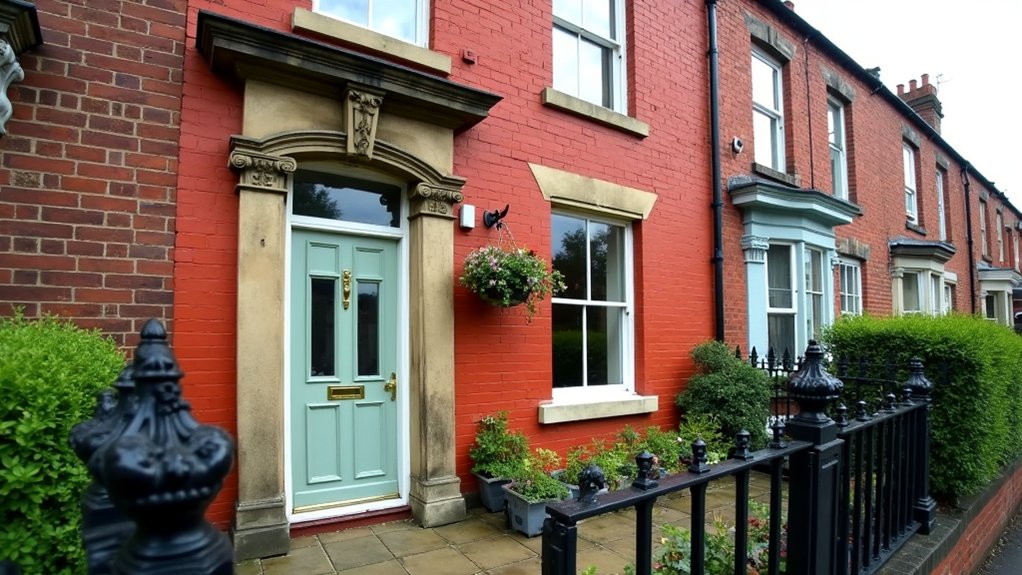
Bringing an Oldham Victorian terrace back is like polishing a tarnished brass compass—you reveal value and direction. You start with a proper survey for damp, roof leaks, and movement, because fixing them later costs more and trashes your ROI. You keep what pays back: fireplaces, original boards, and joinery, then you target warmth with insulation, efficient heating, and window upgrades. But Oldham permissions, layout tweaks, and trade sequencing can make or break your budget if you don’t plan for…
Survey Your Oldham Victorian Terrace for Damp and Defects
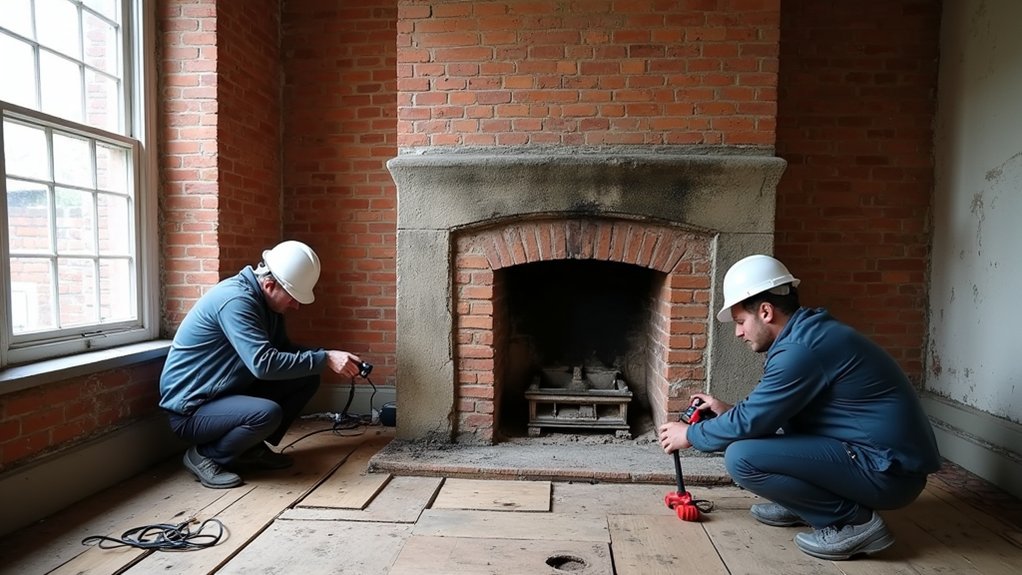
Before you spend money on replastering, paint, or new floors, survey your Oldham Victorian terrace for damp and defects so you’re fixing causes—not just covering symptoms.
Start outside: check gutters, downpipes, flashing, and pointing; one leak can mimic rising damp and wreck finishes.
Inside, map tide marks, salts, musty odours, and cold bridging, then confirm with a moisture meter so you don’t pay for the wrong “treatment.”
Prioritise Moisture prevention: improve drainage, repair roof goods, maintain air bricks, and verify ventilation to kitchens and baths.
Follow with a Structural assessment: look for stepped cracks, bulging walls, rotten joist ends, sagging lintels, and chimney movement.
Get quotes tied to findings, phase repairs, and protect resale value.
Restore Original Victorian Features (Fireplaces, Floors, Joinery)
Once you’ve traced damp and structural issues to their source, you can restore the Victorian details that make an Oldham terrace feel authentic—and sellable—without wasting money on finishes that won’t last. Start with Victorian fireplace restoration: retain the original surround, rebed loose tiles, and have the flue swept and capped if it won’t be used; buyers pay for intact focal points, not fake media walls.
Strip paint from cast iron carefully, then black-lead for a durable sheen.
Next, prioritise Original floor repairs. Lift a few boards to check joist ends, then splice in matching reclaimed boards instead of replacing whole rooms. Punch down protruding nails, add discreet screws, and fill only where boards meet.
Repair stair spindles and architraves, and copy missing mouldings with a local joiner.
Make the Terrace Warmer: Insulation, Heating, Windows
Although Victorian terraces weren’t built with heat retention in mind, you can make an Oldham terrace feel noticeably warmer—and cheaper to run—by tackling the biggest losses first: loft insulation and draught sealing, then heating controls, then window upgrades only where they’ll pay back.
Top up the loft to modern depths, insulate and hatch, and seal skirtings, floors, and sash gaps with brush strips so you cut infiltration without trapping damp.
Add smart TRVs, a programmable thermostat, and weather-compensated boiler settings so you heat rooms when you use them, not the whole house all day.
Keep Indoor air quality strong by pairing airtightness with continuous extract fans and trickle vents.
For windows, start with secondary glazing or repaired sashes; full replacement only if comfort and energy efficiency stack up.
Oldham Rules and Costs: Layout Changes, Trades, Permissions
When you start moving walls, relocating plumbing, or upgrading electrics in an Oldham Victorian terrace, the quickest way to protect your budget (and resale value) is to price the job around Building Control, structural sign-off, and trade availability—not just the new layout on paper.
Check whether you’re touching a chimney breast, party wall, or original joists; a structural engineer’s calc can prevent expensive rework and delays.
For kitchens and bathrooms, cost in drainage falls, venting, and isolation valves before you set cabinet runs.
Build in Part P electrical certification, gas safe work, and fire-door upgrades to meet Building regulations.
If you’re in a conservation area, historic preservation constraints may limit window changes and façade vents.
Lock in lead times: plasterers, electricians, and tilers book fast in Oldham.
Frequently Asked Questions
What Are the Best Paint Colours for a Victorian Terrace in Oldham?
Skip bland grey—choose muted heritage tones: warm off-white, sage, deep navy, oxblood, and charcoal. Use Victorian color palettes and Historic paint schemes on trims/doors; you’ll boost curb appeal, cut repaints, and raise resale value.
How Can I Improve Curb Appeal With Period-Appropriate Exterior Details?
You’ll boost curb appeal by restoring sash windows, repainting ironwork, and adding a brass letterbox. Choose cost-effective garden landscaping with clipped hedges, and install warm exterior lighting on paths—small upgrades that raise perceived value.
Which Flooring Finishes Suit High-Traffic Family Living in Victorian Homes?
Choose engineered oak with hardwax oil, or LVT in heritage planks; both balance flooring durability and family friendly materials. You’ll clean fast, refinish cheaply, and protect ROI. Add tough doormats and felt pads.
How Do I Manage Renovation Work While Living in the Property?
You manage renovation while living in by treating it like camping: I once sealed off one room and saved 15%. Stage works, set temporary living arrangements, use budget planning strategies, isolate dust, schedule trades, protect ROI.
What Insurance Do I Need During a Victorian Terrace Refurbishment?
You’ll need specialist renovation insurance coverage: buildings, public liability, employers’ liability if you hire trades, and cover for theft, fire, and structural works. Add renovation warranties and notify your insurer early to protect ROI and premiums.