
 By DQCS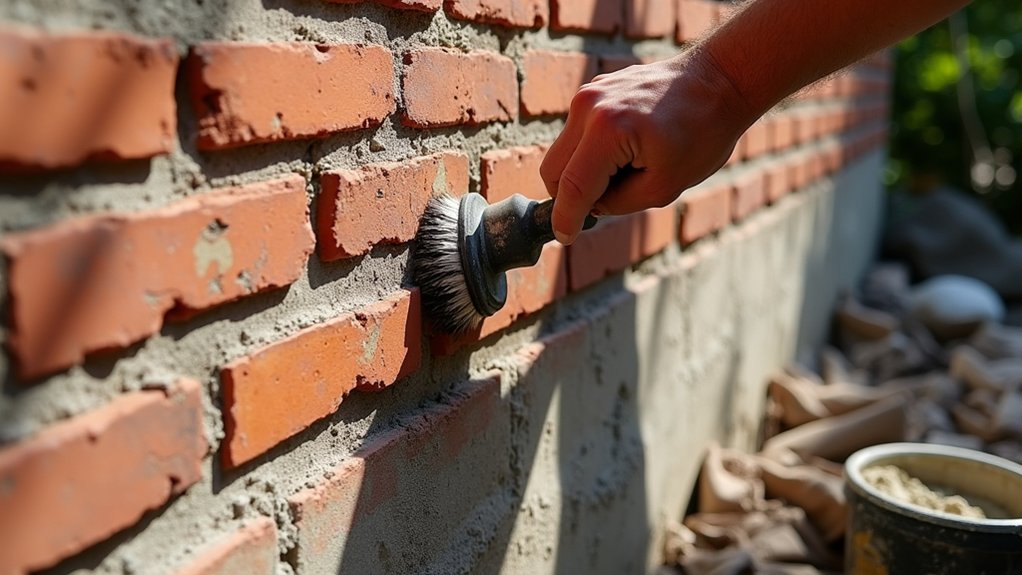
When your brickwork starts showing stains, efflorescence, crumbling joints, or spalled faces, you’re looking at more than a cosmetic issue—you’re risking moisture getting behind the wall and driving up repair costs. You’ll get the best ROI by first deciding what needs cleaning, what needs repointing, and what needs brick replacement. The wrong sequence can lock in salts, trap water, and waste labor, so start with a quick, methodical check…
Check Weathered Brickwork: Clean, Repoint, or Repair?
Before you spend money on restoration, inspect the brickwork closely so you can choose the fix that delivers the best ROI: cleaning, repointing, or targeted repair.
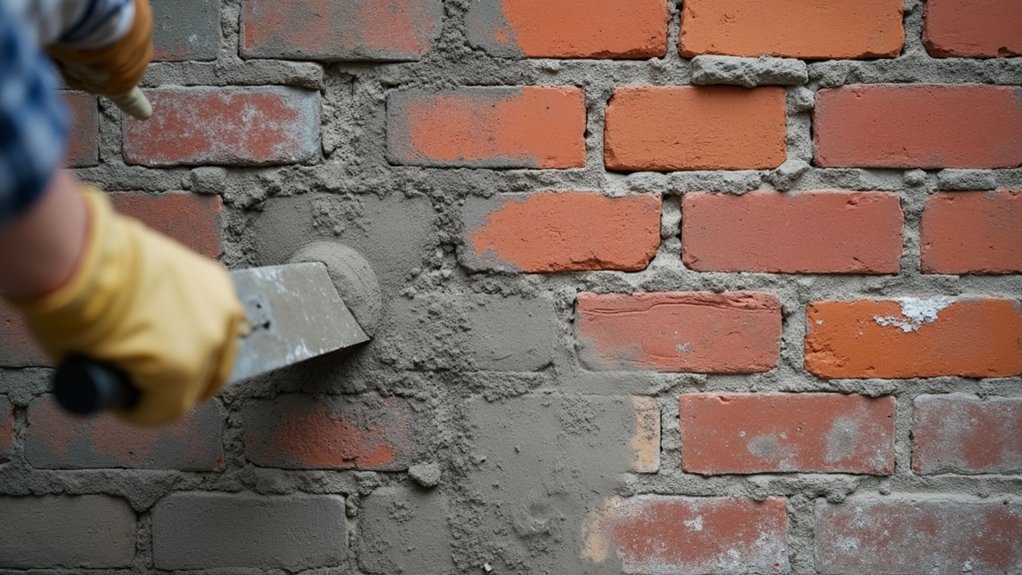
Start by mapping issues: note staining, efflorescence, spalled faces, open joints, and step cracks.
If joints are recessed, sandy, or missing more than 1/4 inch, plan repointing; it’s often the highest-return move because it restores water-shedding and slows freeze-thaw damage.
If bricks are fractured, delaminating, or loose, schedule targeted repair or replacement to stop localized failure before it spreads.
If the mortar’s sound and damage is mainly surface discoloration, you can justify cleaning later for aesthetic enhancement.
Choose materials and profiles that match original work for Historical authenticity, protecting resale value.
Document findings for bids and prioritization.
Clean Weathered Brickwork Without Damage
Once you’ve confirmed the mortar and bricks are structurally sound, cleaning becomes a smart, ROI-friendly upgrade that boosts curb appeal without risking the wall’s performance.
Start with dry methods: use a soft brush and vacuum to remove grit that can scratch faces during rinsing. Pre-wet the wall, then wash bottom-up with low-pressure water and a mild, brick-safe detergent.
Test a small area first, and avoid acids, wire brushes, and high-pressure washers that can etch brick, drive water inward, or leave streaks.
For mildew or soot, choose a manufacturer-approved cleaner and follow dwell times precisely. Rinse thoroughly and protect nearby metals and plants.
After it dries, apply breathable Weatherproof sealing to reduce future staining while letting moisture escape and preserve brickwork.
Repoint Mortar Joints to Stop Water Ingress
When mortar joints crack, powder, or pull away from brick edges, they become the easiest path for rain to penetrate the wall and trigger costly freeze–thaw damage inside. You’ll get the best ROI by repointing before moisture reaches sheathing, framing, or interior finishes.
Rake out deteriorated mortar to a consistent depth (typically 2–2.5× joint width) without nicking brick arrises, then vacuum dust so new mortar bonds.
Match Mortar composition to the original—too hard traps water and accelerates failure. Pre-wet joints, pack in lifts, and tool at the right “thumbprint” firmness.
Use Brick joint detailing that sheds water (concave or V tooling), keep head joints full, and cure slowly to minimize shrinkage cracks.
Repair or Replace Cracked and Spalled Bricks
A few cracked or spalled bricks can undermine an otherwise solid wall because they soak up water, shed their protective fired face, and accelerate freeze–thaw cycling in the surrounding masonry. If you ignore them, you’ll pay more later in widespread cracking and interior dampness.
Start by probing suspect units with a screwdriver; soft, flaking faces usually mean replacement, not patching. For isolated chips, you can repair with a color-matched brick repair mortar, but only after removing loose material and cleaning to sound substrate.
When bricks are split, deeply delaminated, or out of plane, cut them out, preserve adjacent units, and set new or salvaged matches in compatible mortar for Brick durability.
For historic preservation, match size, texture, and firing, and keep tooling consistent.
Protect Restored Brickwork (and Maintain It)
Fresh repairs won’t pay off for long unless you protect the wall from the same moisture and movement that cracked and spalled the bricks in the first place. Start by fixing gutters, downspouts, and grade so water sheds fast, then repair flashing at roofs, sills, and parapets.
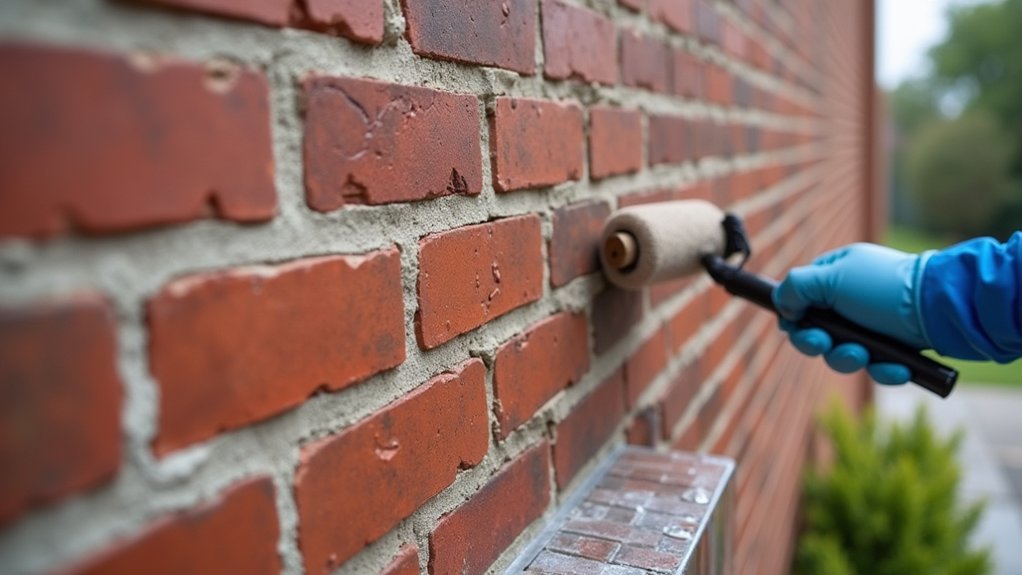
Choose breathable protection, not a film-forming sealer that traps vapor and accelerates freeze-thaw damage. For Historical preservation, match any water repellent to the wall’s absorption rate and appearance, and test a small area first.
Keep Material compatibility front and center: use lime-based mortars where the original is soft, and avoid hard, high-cement patches that force bricks to fail.
Maintain ROI with annual inspections, gentle cleaning, and prompt repointing of hairline cracks.
Frequently Asked Questions
Do I Need Planning Permission for Brick Restoration on a Listed Building?
Yes—you’ll usually need listed building consent; planning permission may also apply. Like repainting a masterpiece, keep Historical accuracy. Check council early, meet Building regulations, and document methods; approvals protect value, avoid fines, and speed resale.
How Much Does Professional Brickwork Restoration Typically Cost per Square Metre?
You’ll typically pay £60–£200+ per m², depending on access, damage, and labour. Get a detailed cost estimation covering repointing, cleaning, and repairs; smart material selection boosts durability and ROI, reducing future maintenance.
What Time of Year Is Best for Restoring Exterior Brickwork?
You’ll get the best results in late spring or early autumn: you’ll dry, you’ll cure, you’ll seal. Prioritise seasonal considerations and minimise weather impact—steady temps, low rain, moderate humidity protect mortar, boost ROI, reduce rework.
How Long Should Restored Brickwork Last Before Needing Attention Again?
You should expect restored brickwork to last 20–50 years before major attention, if you use quality Mortar matching and timely Brick sealing. You’ll extend life by controlling moisture, maintaining joints, and addressing cracks early.
Will Repointing or Repairs Change My Home’s Resale Value or Curb Appeal?
Yes—like upgrading your VHS to streaming, repointing boosts curb appeal and can raise resale value. You’ll show buyers solid maintenance, complement garden landscaping, and support interior renovation ROI by reducing water damage and inspection issues.